Where We Travel
We're based at 1490 Premier Dr in Clawson, and most of our calls stay close to home. From here it's a short run to Huntington Woods and Pleasant Ridge, both about 4 miles out, then Beverly Hills and Lathrup Village around 5 miles, Bloomfield Hills at 6, and Bingham Farms and Center Line at 7. We also get out to Franklin, Utica, and Highland Park inside a 10-mile radius when the job calls for it.
Farther out we cover Keego Harbor, Orchard Lake Village, and the Grosse Pointe communities, along with Walled Lake, Wolverine Lake, Lake Orion, Melvindale, River Rouge, Northville, Village of Clarkston, Ecorse, Plymouth, and Romeo. That's 25 named areas total, and the housing in nearly all of them shares the same age problem: doors and hardware installed decades ago that most shops don't stock parts for anymore.
We don't pretend every call is quick. A job in Romeo at 20 miles takes more truck time than one three streets from the shop, and we plan the day around that, not around a fixed radius that ignores distance.
Who Turns Up
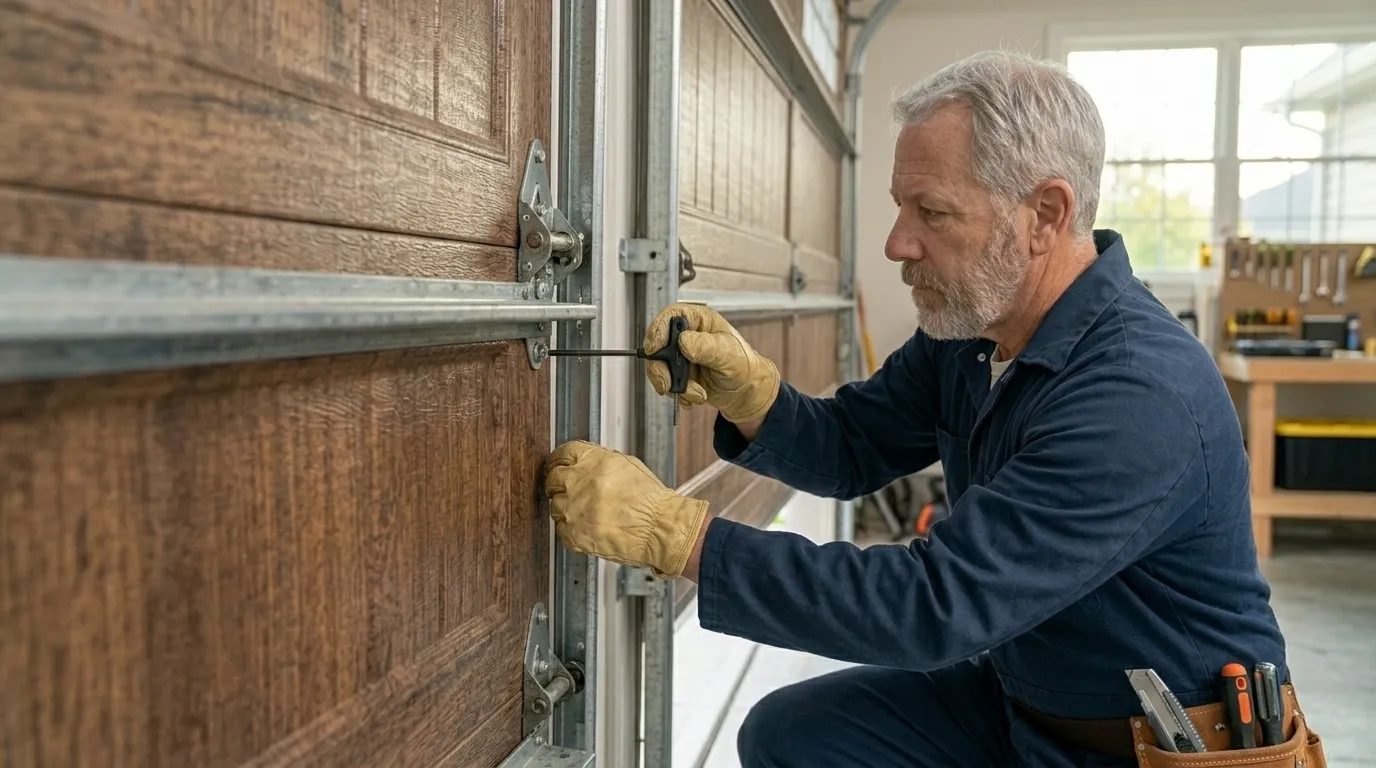
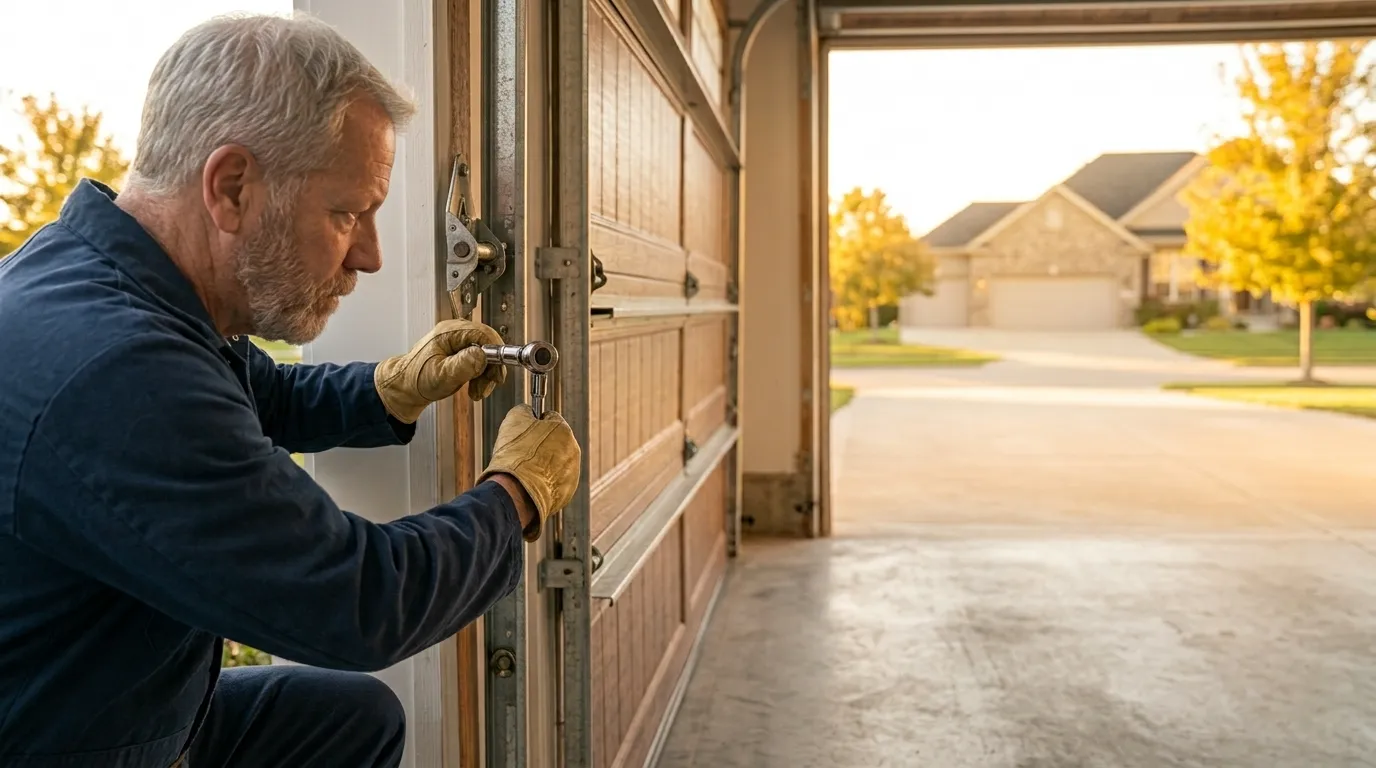
The person who comes to your door is the one doing the repair, not a dispatcher reading a script. Given that most of the housing in this service area went up between 1938 and 1984, with a median build year of 1958, a lot of what we see is original or near-original hardware: side-mounted torsion springs, older track profiles, panel styles that stopped being made a long time ago.
That means the tech who shows up needs to recognize a 1958-era torsion setup on sight, not just a modern extension-spring system. We don't send someone to guess at a door built before they were, so to speak, without knowing what they're looking at. Median household income in this area runs around $99,286, and across the region there are roughly 61,621 households, about 35,443 of them in owner-occupied houses - that's a lot of driveways with a door pushing sixty or seventy years old, and it shapes how we staff and stock for the day.
The Work We Take On
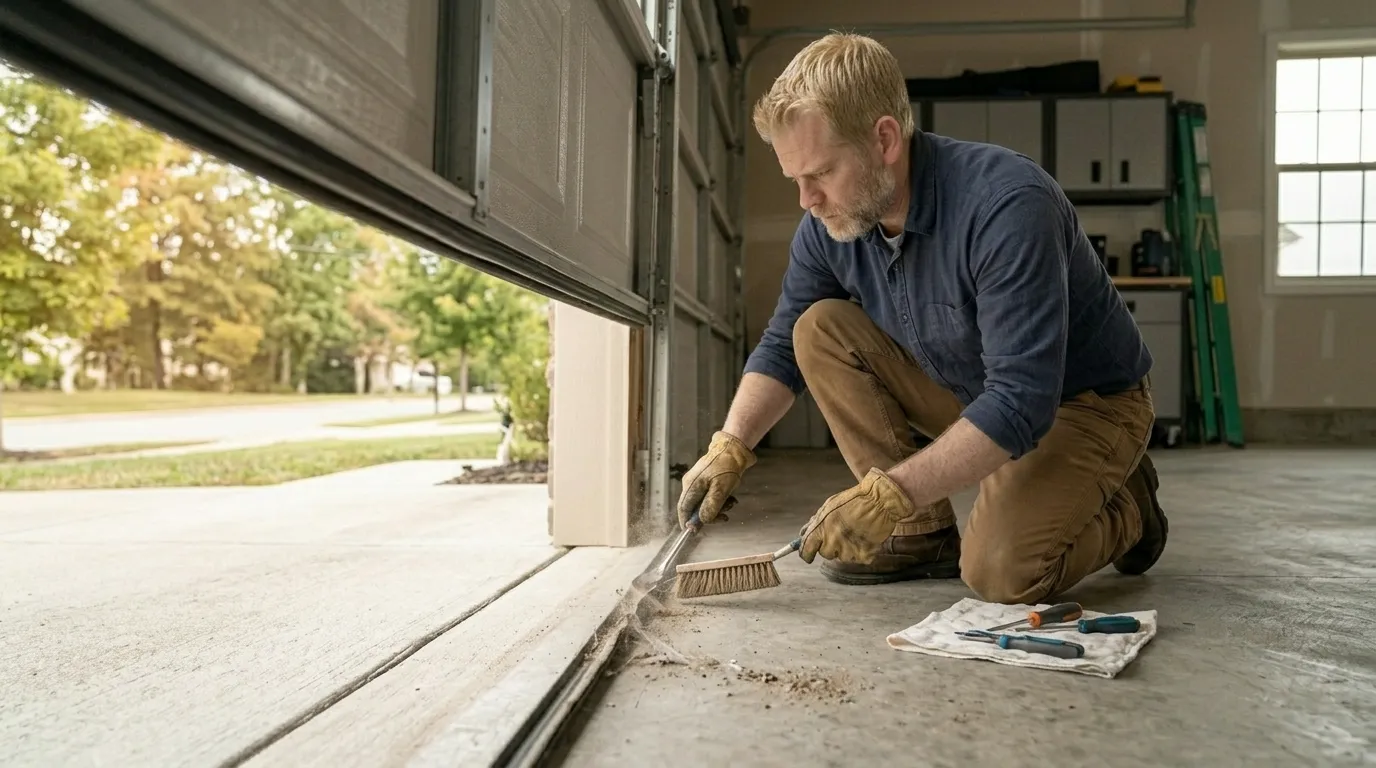
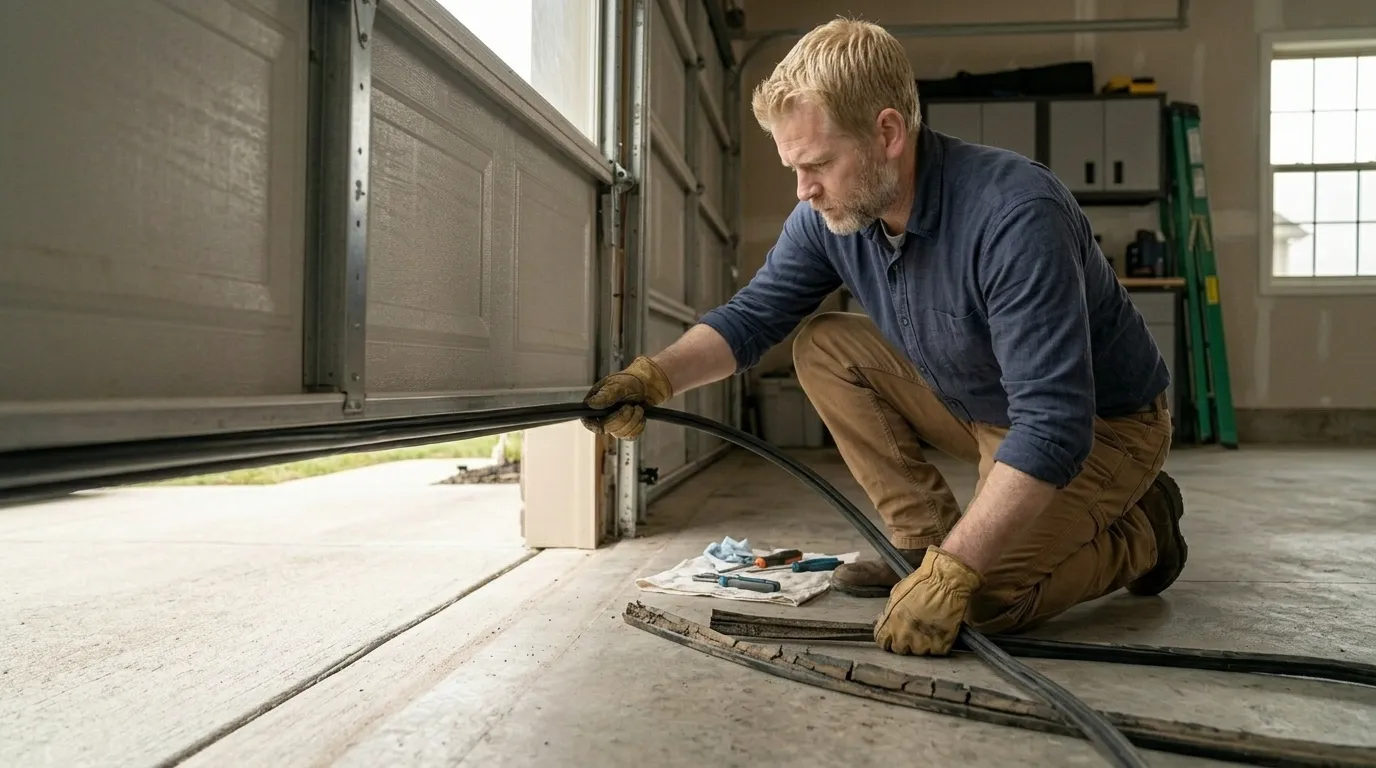
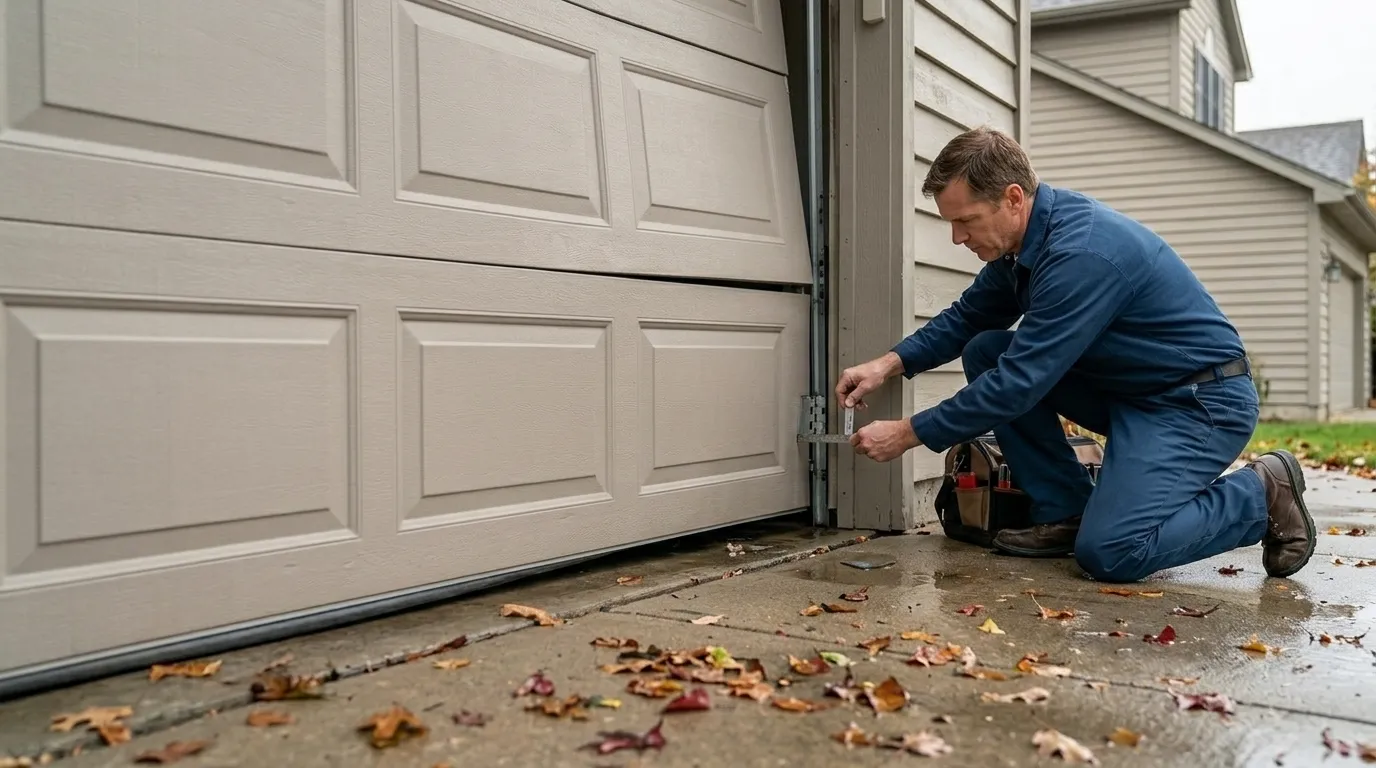
We fix broken torsion and extension springs, replace worn rollers and cables, realign bent track, and swap out openers that have stopped responding. On the older one-piece and sectional doors common to pre-1960 construction across this area, we also handle panel and hardware replacement when original parts are no longer made and a close match has to be sourced or fabricated.
Winters here sit in a cold, severe climate band, and that matters for door work: metal contracts, lubricant thickens, and openers that were marginal in October start failing in January. We service and adjust for that rather than just swapping parts and hoping.
What we don't do is pretend every door is worth saving. If a door's frame is racked, the track is rotted through, or repair costs are closing in on replacement, we'll say so plainly instead of billing you for a patch that won't hold through the next cold stretch. That's not a guarantee of any kind - just how we'd want it explained to us.