
Service
Broken Torsion Springs on Clawson's Older Garage Doors
Torsion springs fail early in Clawson's pre-1960 housing stock and cold winters. Clawson Garage Door Pros repairs broken springs fast across the area.
- Licensed & Insured
- Same-Area Service Calls
- Upfront Pricing
Why This Fails Locally
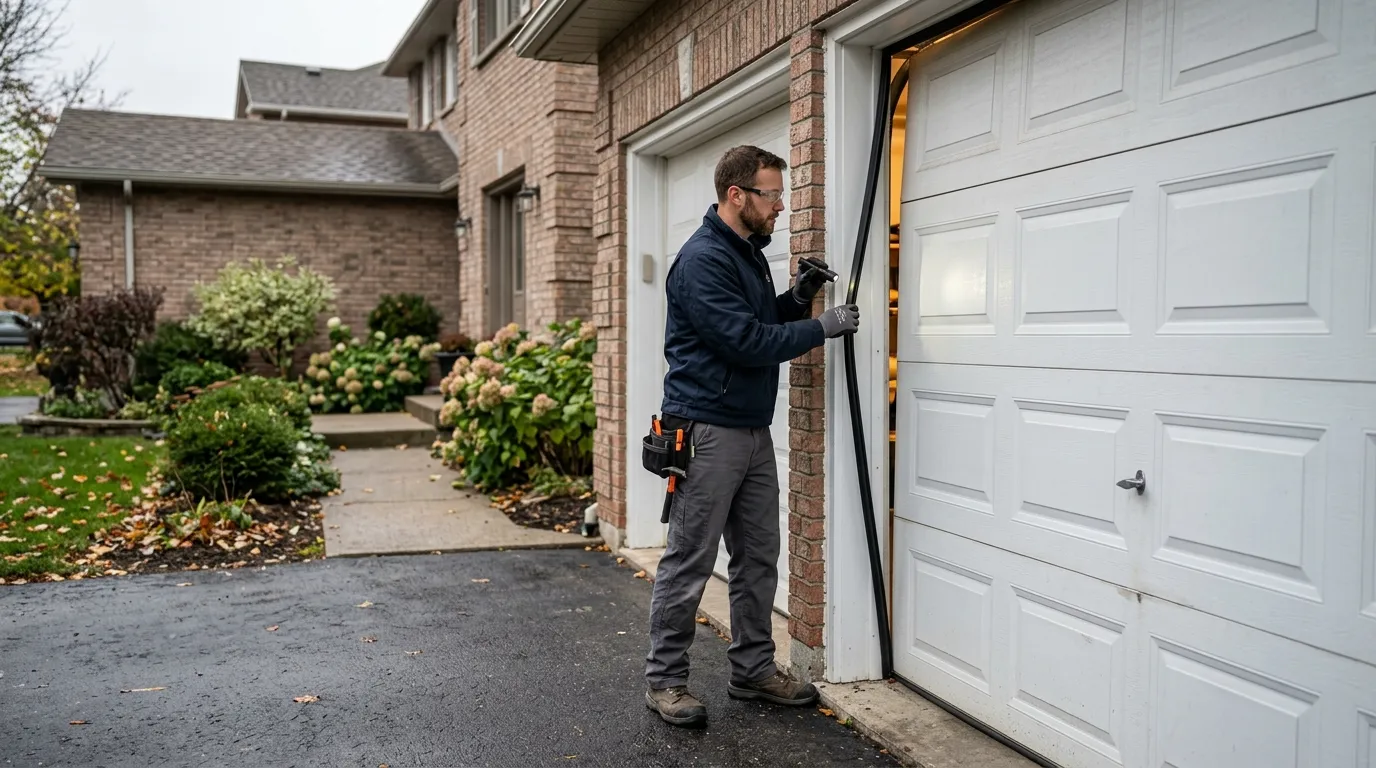
Most of the housing across this service area went up between 1938 and 1984, with the typical build year sitting around 1958. That matters for springs.
A torsion spring is sized to the door's weight and the drum it winds around, and doors from that era often carry hardware nobody has updated in decades. Add in that the stock across the 25 communities we cover is mostly pre-1960, and you've got tens of thousands of doors running original or near-original torsion setups.
Then there's the climate. This is a severe cold band, and a steel spring loses tensile life every time it cycles through a hard freeze and a thaw. Cold makes the steel brittle right when the door gets used the most - people are in and out of the garage more in winter, running the car, hauling in groceries, plowing snow off the drive.
A spring that's been winding and unwinding for fifty-plus winters under that stress doesn't fail gracefully. It snaps.
So the pattern we see isn't random. It's older torsion hardware, sized for older doors, worn down by decades of cold cycling. That combination is why spring calls cluster in certain blocks and certain build years more than others.
What You Pay
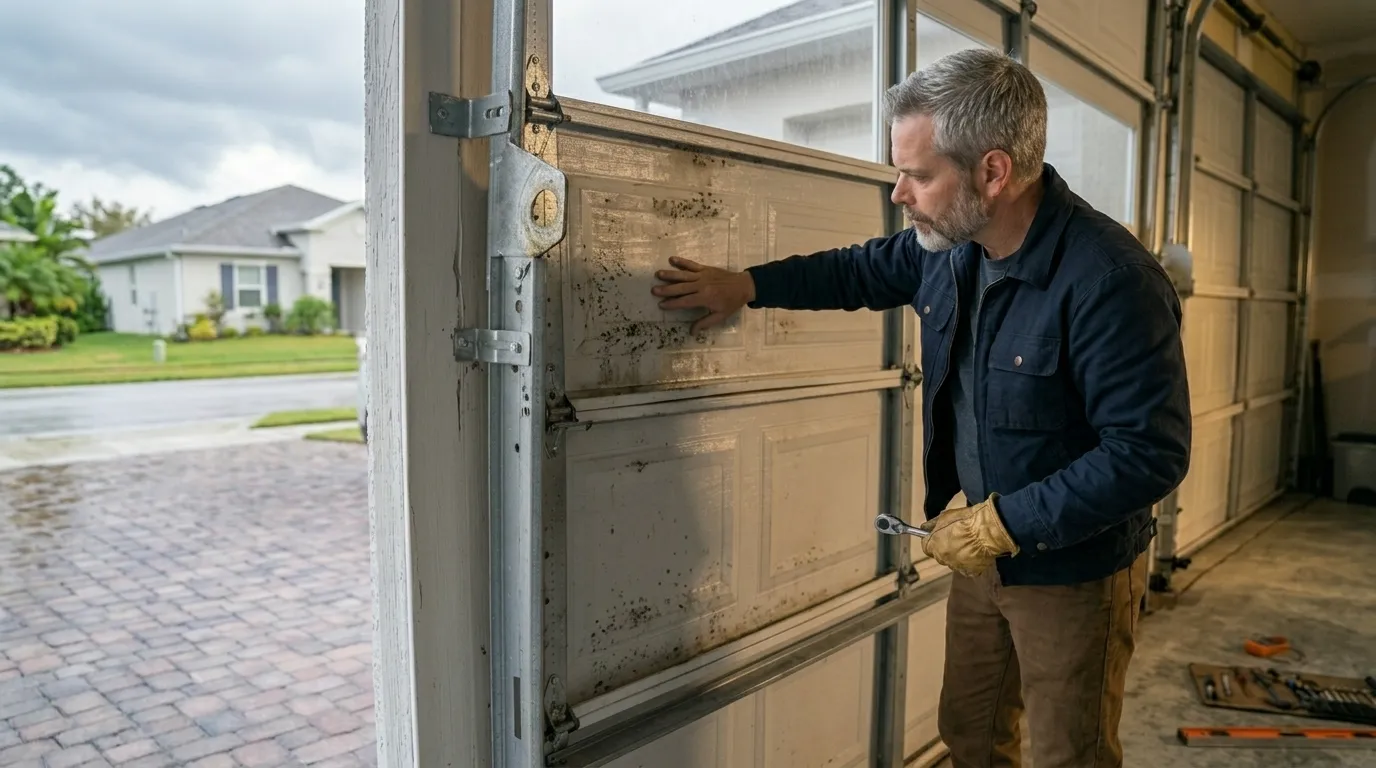
We don't have a flat number to give you here, because the cost of a spring job depends on things that vary door to door: whether you've got one torsion spring or two, the wire size and weight rating the door needs, whether the drums or cables are worn enough to replace at the same time, and whether it's a single door or a double. A double door under one torsion spring, common in older builds, is a different job than two doors each running their own spring.
What we can tell you is what drives the number up or down. Two springs cost more than one, obviously, but replacing both at once instead of just the broken one is usually the right call - the second one is close behind on wear from the same years of cycling.
Cable and roller condition can add to the job if they're due. And if the drums are pitted or the shaft is bent, that's additional parts, not just labor.
Ask for the number broken out - spring cost, hardware if needed, labor - before the work starts. A shop that won't give you that breakdown on the phone or at the door is one to be careful with.
The DIY Question
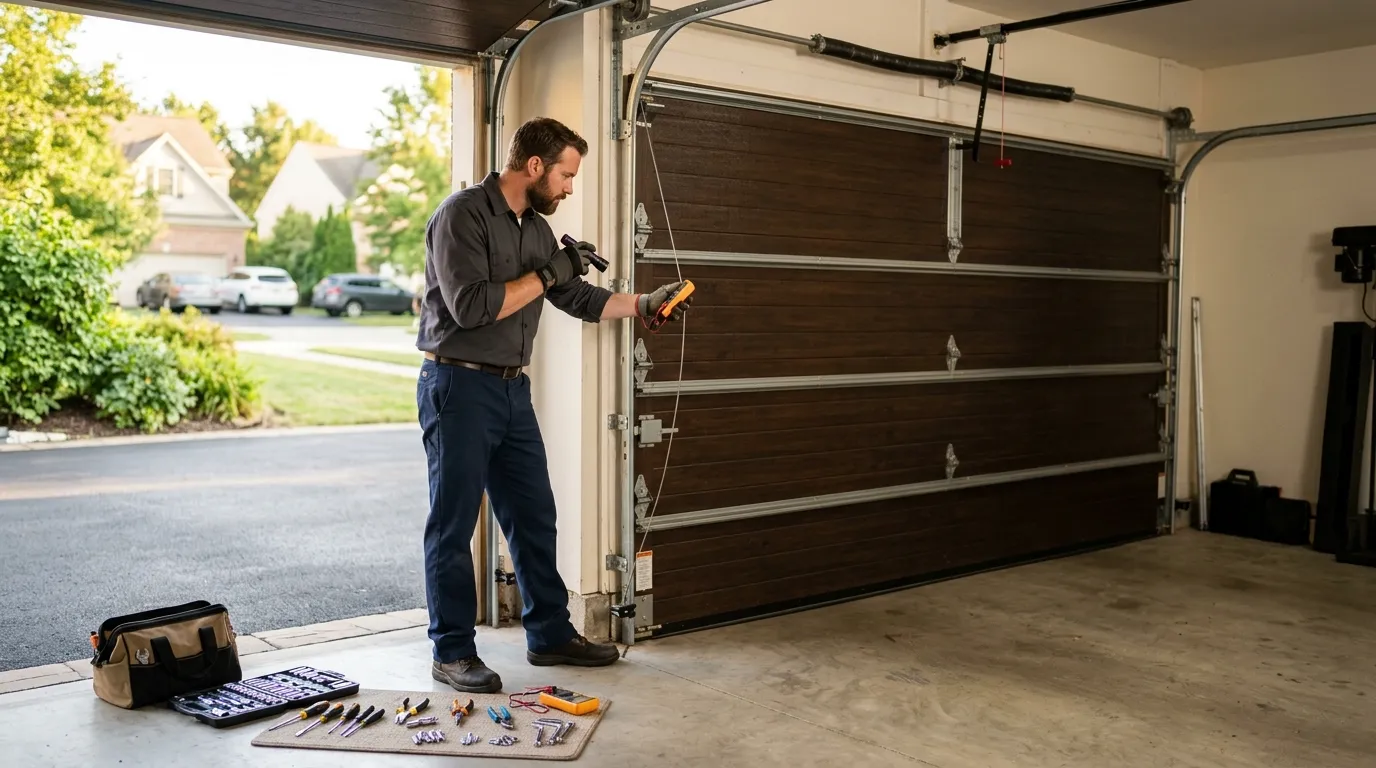
A torsion spring under tension holds enough stored energy to break fingers, fracture a skull, or put a winding bar through drywall if it lets go while you're working on it. That's not an exaggeration, it's why the trade uses winding bars and clamps, not guesswork.
If you've watched a video and you're thinking about doing this yourself, the honest answer is: don't, not with torsion springs. Extension springs are a little more forgiving because they're not wound under the same load, but even those have enough tension to whip loose and cause real damage.
Where DIY makes sense is the stuff around the spring - lubricating hinges and rollers, checking that the tracks are clear, tightening loose bolts on the brackets. None of that is the spring itself.
We'll be straight about a limitation too: we don't stock every spring size on the truck for every door out there. Some older or oversized doors need a spring ordered to spec, and that can mean a short wait rather than a same-visit fix. We'd rather tell you that up front than promise something we can't do that day.
What You Are Seeing
A door that won't budge, manual or with the opener, and looks like it's sitting crooked in the frame - that's usually one spring gone on a two-spring door, or the single spring on a smaller door. A loud bang from the garage, often mistaken for something falling or a car backfiring outside, is frequently the spring itself snapping. If the opener strains, grinds, or trips its own safety reverse trying to lift the door, the spring is no longer doing its share of the lifting and the motor is taking the full weight, which it isn't built for.
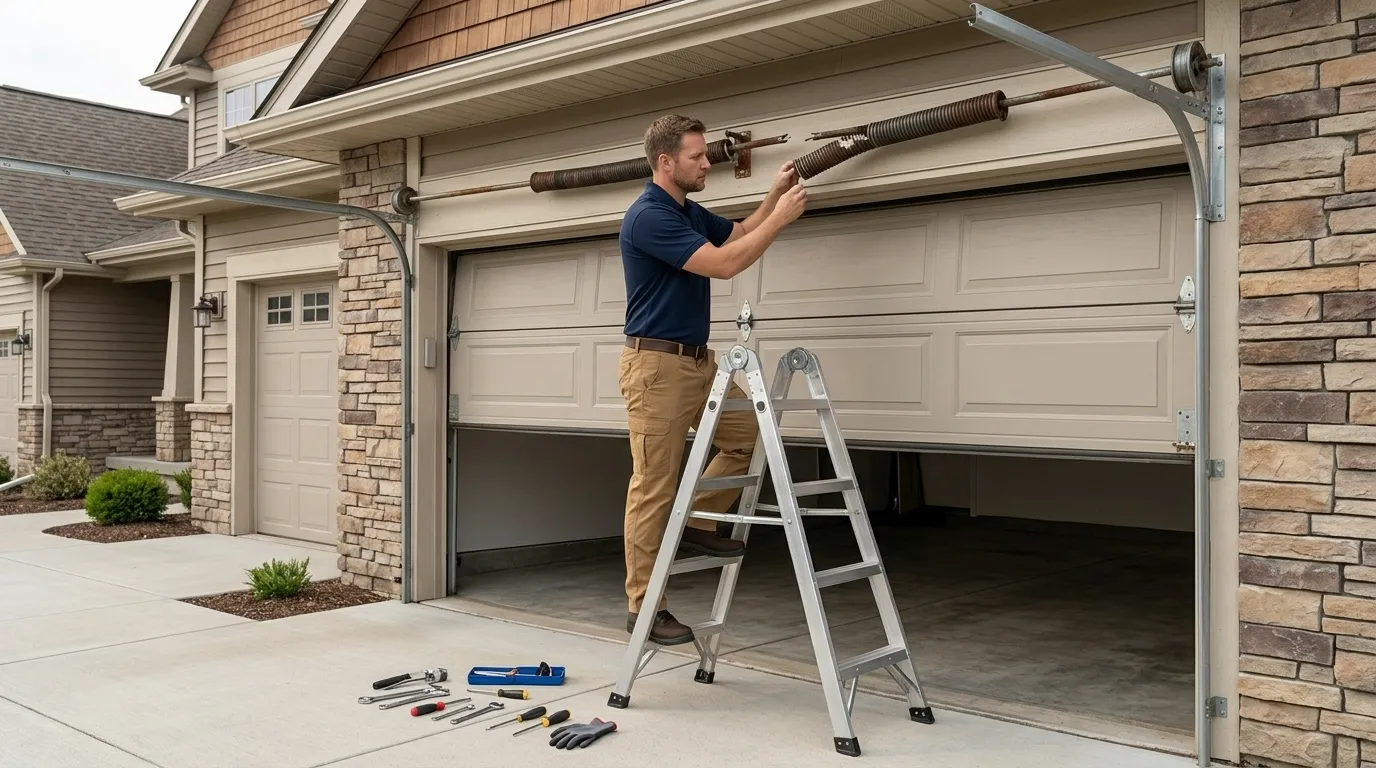
Look at the spring itself if you can see it safely from outside the door's travel path: a visible gap in the coil, or one side of the shaft turning while the other doesn't, points to a break. Loose or slack cables on one side, when the door's most of the way down, are another sign - the cable goes slack because the spring isn't holding tension anymore.
Don't try to force the door up by hand once you've spotted these signs. Call it in, and don't run the opener on it again until it's looked at, since forcing a dead-spring door with the motor can bend the track or strip the drive gear.
Jobs Like Yours
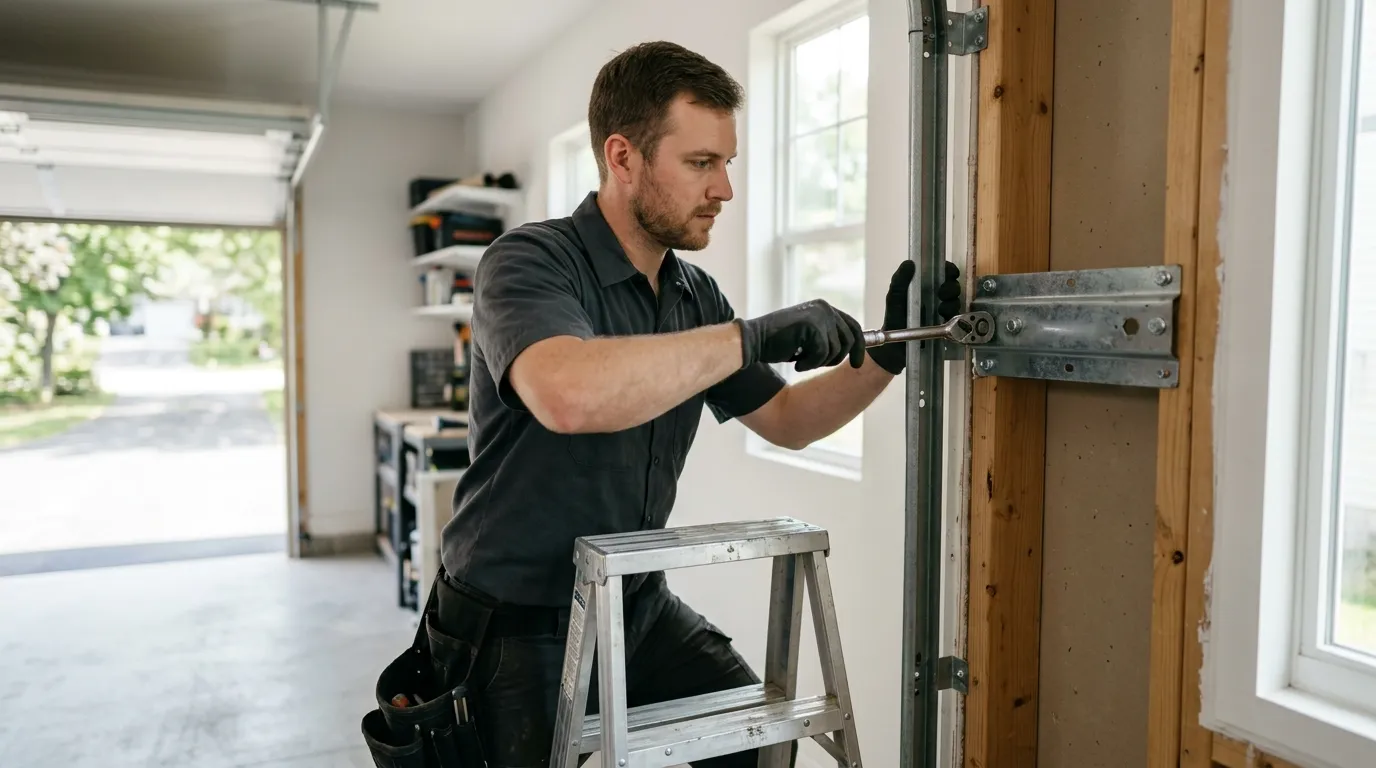
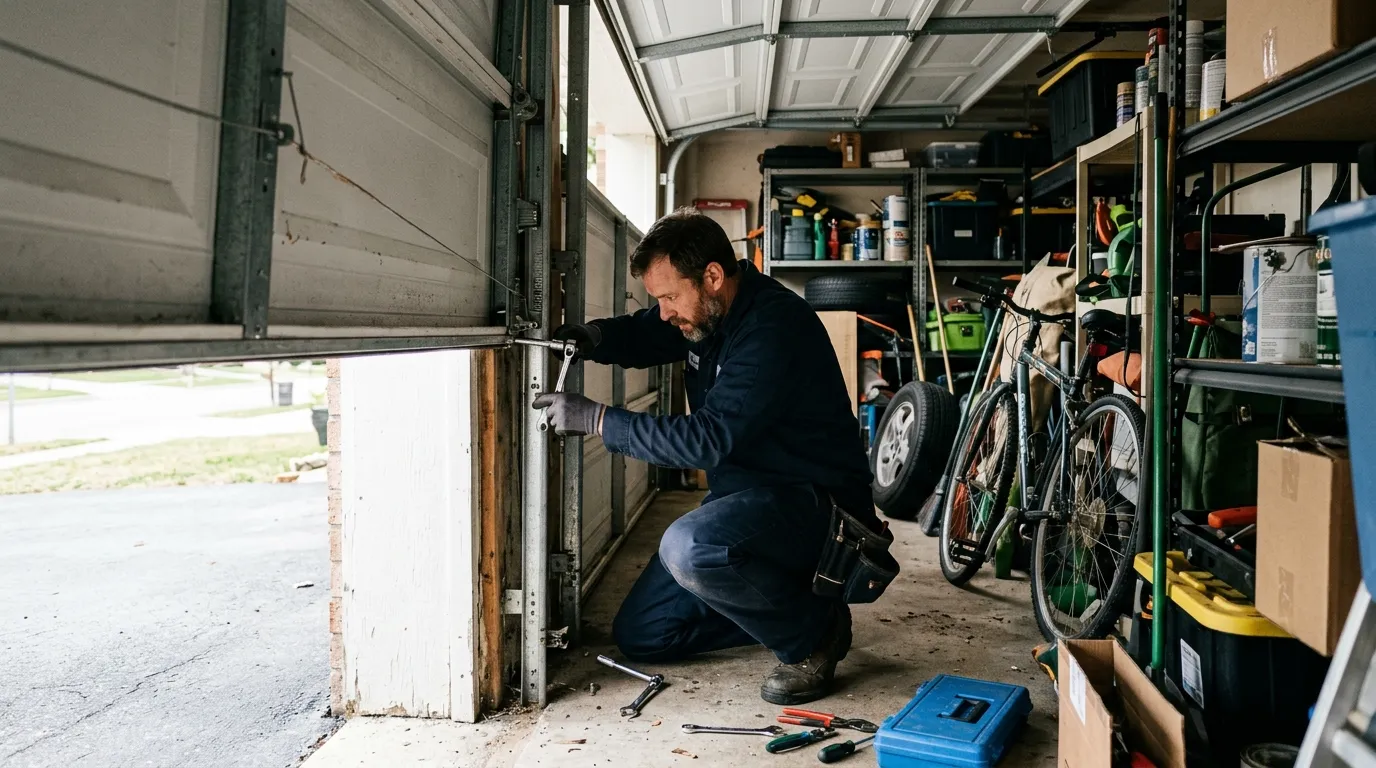
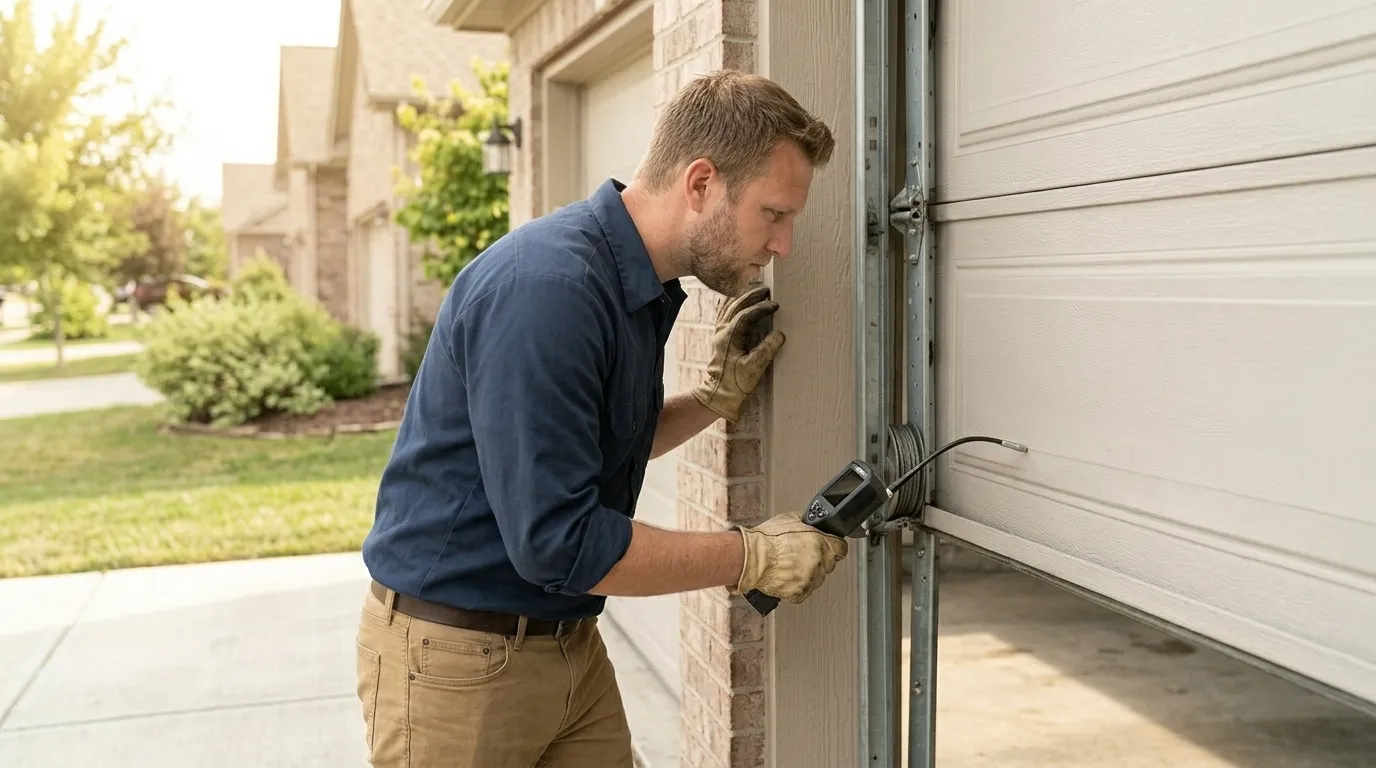
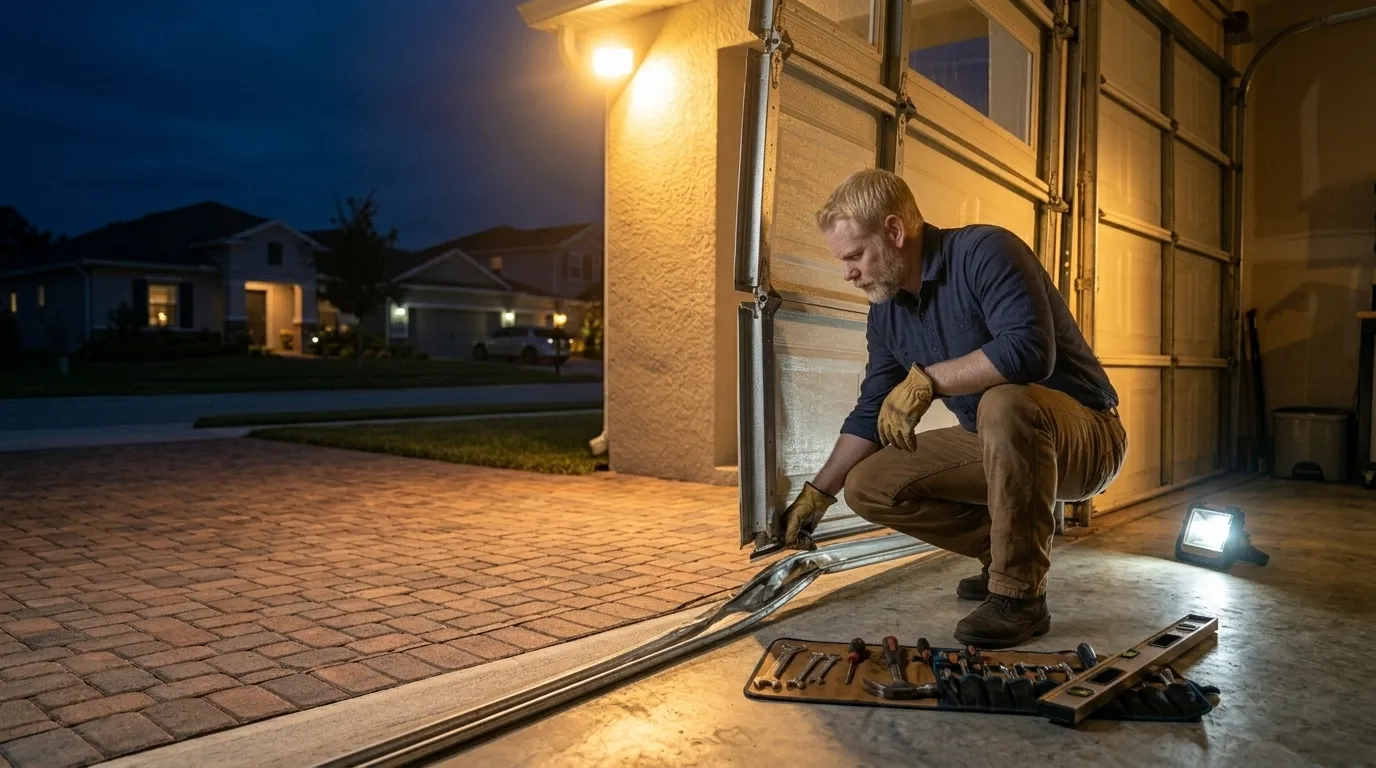
Recent work from this service line.
Talk to a Technician Before You Book
Describe what the door is doing and get a straight answer on what it likely needs.
Why Clawson Calls Us
What Happens When You Call
-
1
Call or Request a Quote
Tell us what the door is doing and roughly how old the house is - that alone points us toward the likely part before a truck leaves.
-
2
On-Site Diagnosis
A tech checks the spring, cables, tracks, and opener in person and tells you plainly what is actually wrong.
-
3
Straight Price, No Surprises
You get a number before any work starts. It covers parts and labor, nothing added after the fact.
-
4
Fixed the Same Visit
Most repairs are done in one trip. If a part needs sourcing, we tell you that upfront instead of guessing.
Frequently Asked Questions
How do I know if it's the spring or the opener that's broken?
If the door barely moves, feels extremely heavy when you try to lift it by hand, or the opener strains and reverses on its own, that points to the spring, not the motor. An opener problem usually shows up as the door not responding at all to the remote or wall button, with no attempt to move.
Can one spring be replaced while leaving the other one alone?
Mechanically, yes, but we usually recommend replacing both if you've got a two-spring door and one has already gone. The surviving spring has the same age and the same cold-cycling history, and it's usually not far behind. Doing one now often means a second call within a year or two.
Is it ever cheaper to replace the whole door instead of the spring?
Rarely, for spring repair alone - the spring itself is a small part of a door's total cost. Replacement makes more sense when the spring failure exposes bigger problems, like a bent track, a rotted panel, or hardware so old that matching parts is difficult.
Need Broken Torsion Springs on Clawson's Older Garage Doors?
Call now for straight answers on cost and timing.