
Clawson Garage Door Guide
Why Clawson Garage Doors Let the Cold In
Clawson homes built mostly between 1938 and 1984 face cold-climate draughts through old garage door seals. Here's what actually happens and what helps.
- Licensed & Insured
- Same-Area Service Calls
- Upfront Pricing
What Is Going On
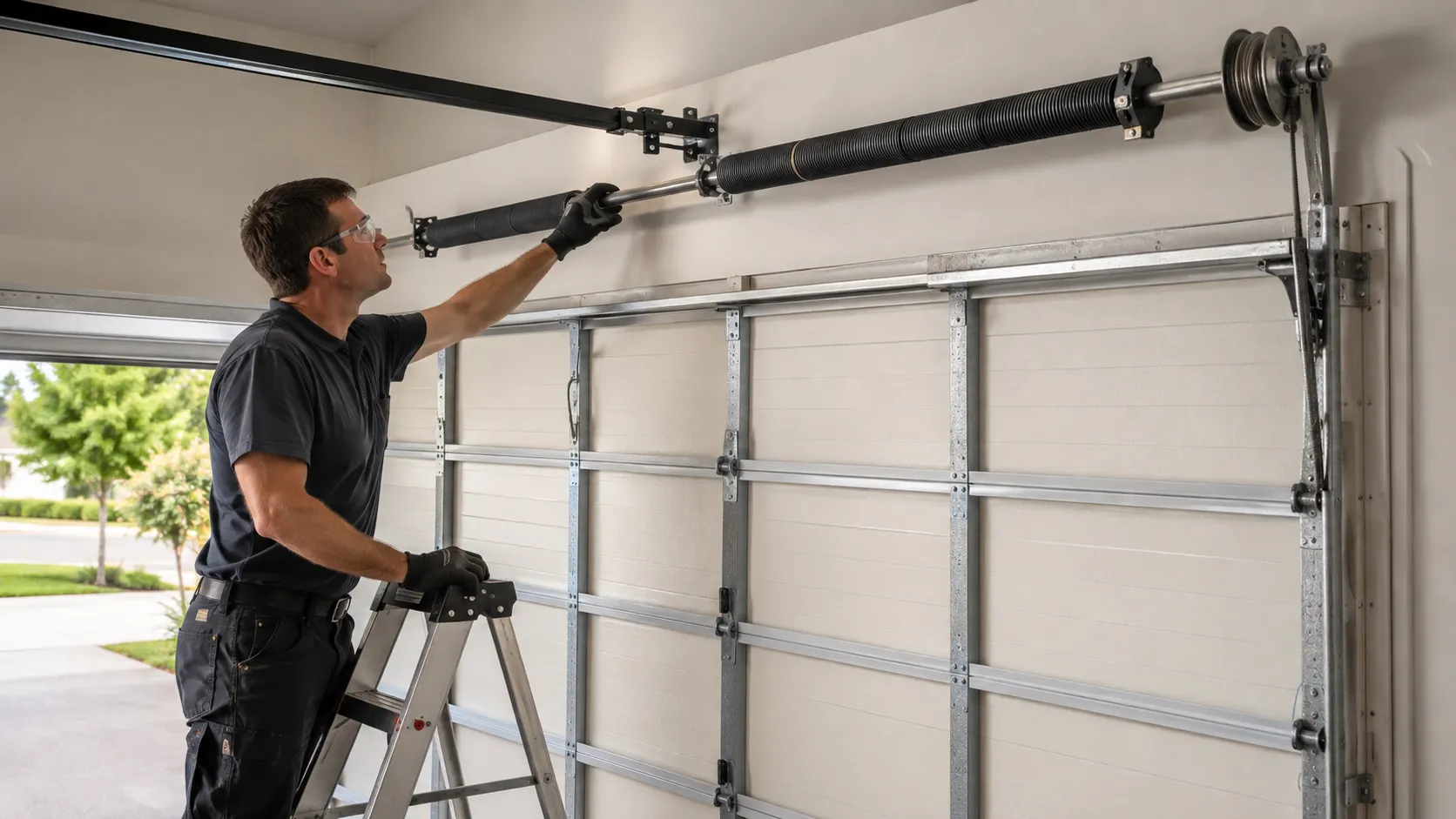
Most houses in Clawson went up between 1938 and 1984, with the median build year sitting around 1958. That's the era before rubber-and-vinyl bottom seals were standard equipment, and before anyone thought much about air leakage around a garage door jamb.
A door and frame built in 1958 was built to keep rain out, not to hold a tight seal against moving air. Across the 25 named areas that make up this part of the county, the housing stock skews the same way: pre-1960, wood-framed openings, steel or wood doors hung on hardware that was never rated against today's energy codes.
What that means in practice is simple. The gap between the bottom of the door and the slab widens over decades as the concrete settles and the door track ages. The side seals compress against jambs that have shifted with sixty-plus years of seasonal swelling and drying.
None of this is damage in the sense of something being broken - it's just a door doing exactly what a door from 1958 does. The draught you feel isn't a defect, it's the age of the house talking.
Season by Season
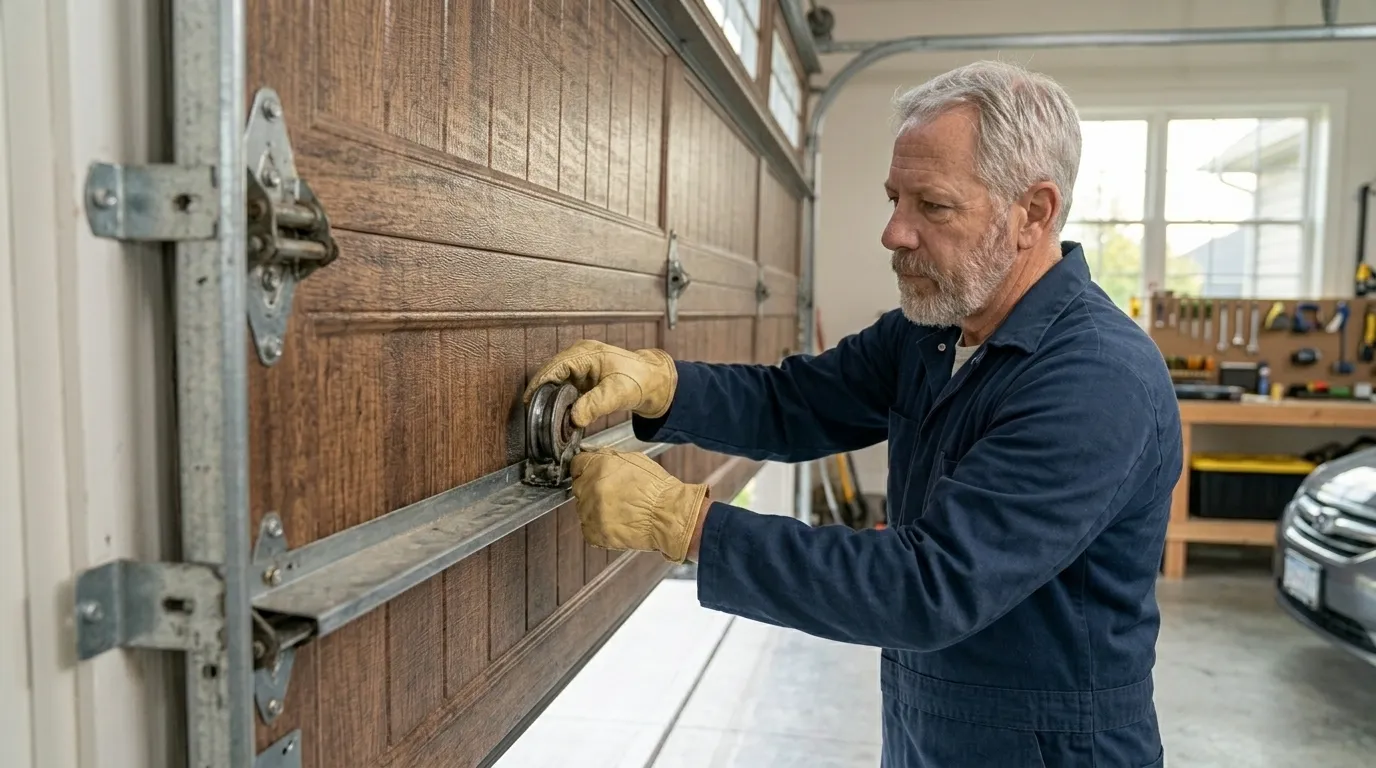
Clawson sits in a climate band the weather service classifies as cold and severe, and that shapes what the door does across a year, not just in January. Winter is the obvious stretch - seals that were already loose contract further in the cold, and any gap lets in air that's well below freezing for weeks at a stretch. That's when homeowners notice frost forming on the inside of a steel panel or along the bottom seal track.
Spring brings the opposite problem. As the ground thaws and the slab shifts back, the door and frame that spent months contracted now expand unevenly, which is often when a seal that seemed fine in December suddenly won't close flush in April.
Summer is quieter on the seal front but hard on rubber - UV and heat dry out a bottom seal that's already past its useful life on an older door. Fall is the window to actually fix any of this, before the next freeze locks a bad seal in place for another cold season.
What the Weather Here Does to It
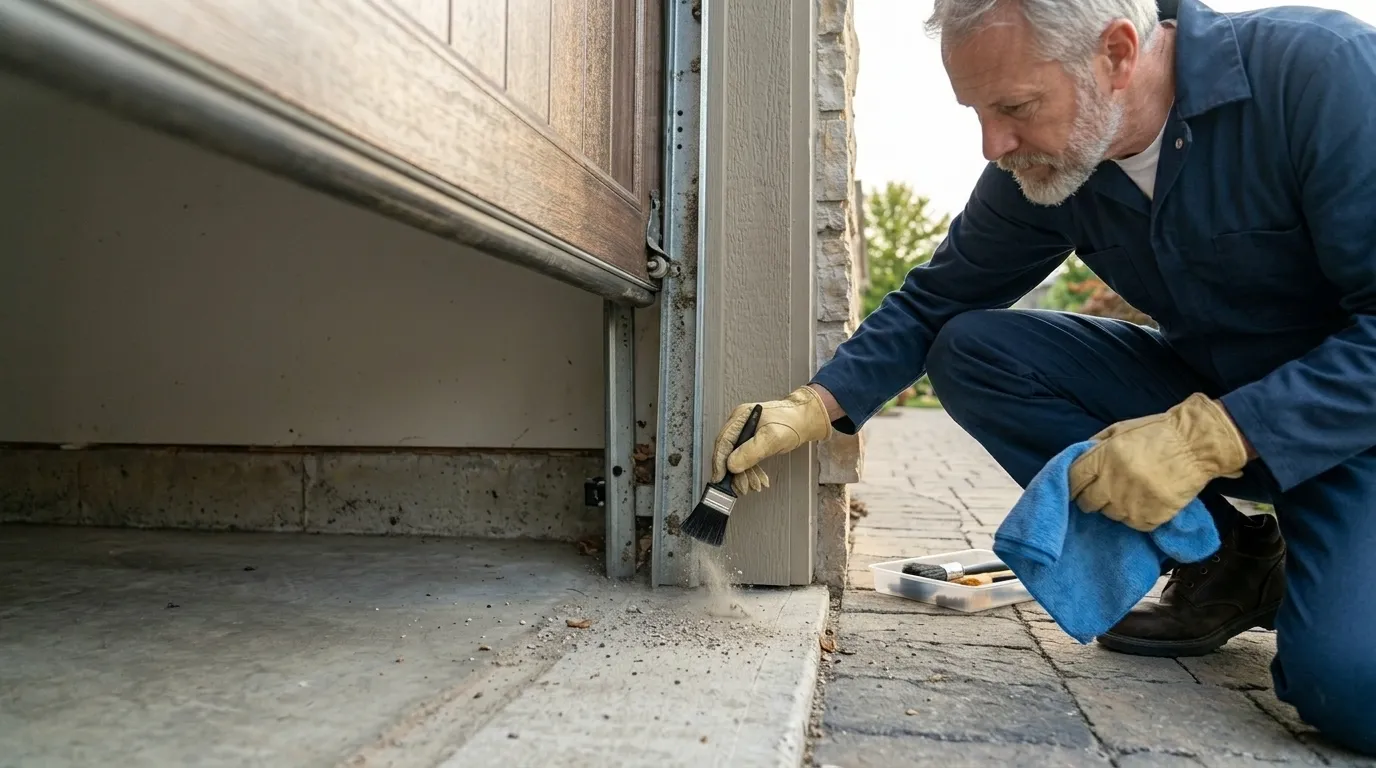
A cold-severe climate does two things to a garage door that a milder one wouldn't. First, it makes the metal itself move. Steel panels contract in the cold, which opens micro-gaps at panel seams and around the perimeter seal that don't show up as visible damage but let air through anyway.
Second, it drives condensation. Warm, moist garage air meeting a cold steel door skin in January forms water on the inside face, and that water finds every low spot in an old bottom seal and follows it to the floor.
On houses built in the 1938 to 1984 window that makes up most of this area, that condensation cycle has been running every winter for decades. Wood jambs that were fitted tight when the house was new have swelled and shrunk enough times that the seal against them is no longer continuous.
This isn't unique to any one house on any one street - it's the shared condition of housing stock this old sitting in this climate. A door that's sealed tight in July can be draughty by the first hard freeze without anyone having done anything wrong.
Where People Go Wrong
The most common mistake is treating a draught as a seal problem only. On a lot of these older houses, the seal is the visible symptom but the jamb behind it has gone out of square over the decades, and a new strip of weatherstripping pressed against a crooked frame will draught again within a season. We'll say plainly what we can't promise: a seal swap is a quick, low-cost fix, and it's the right first move, but if the jamb itself has shifted, that's a bigger job and no amount of new rubber solves it on its own.
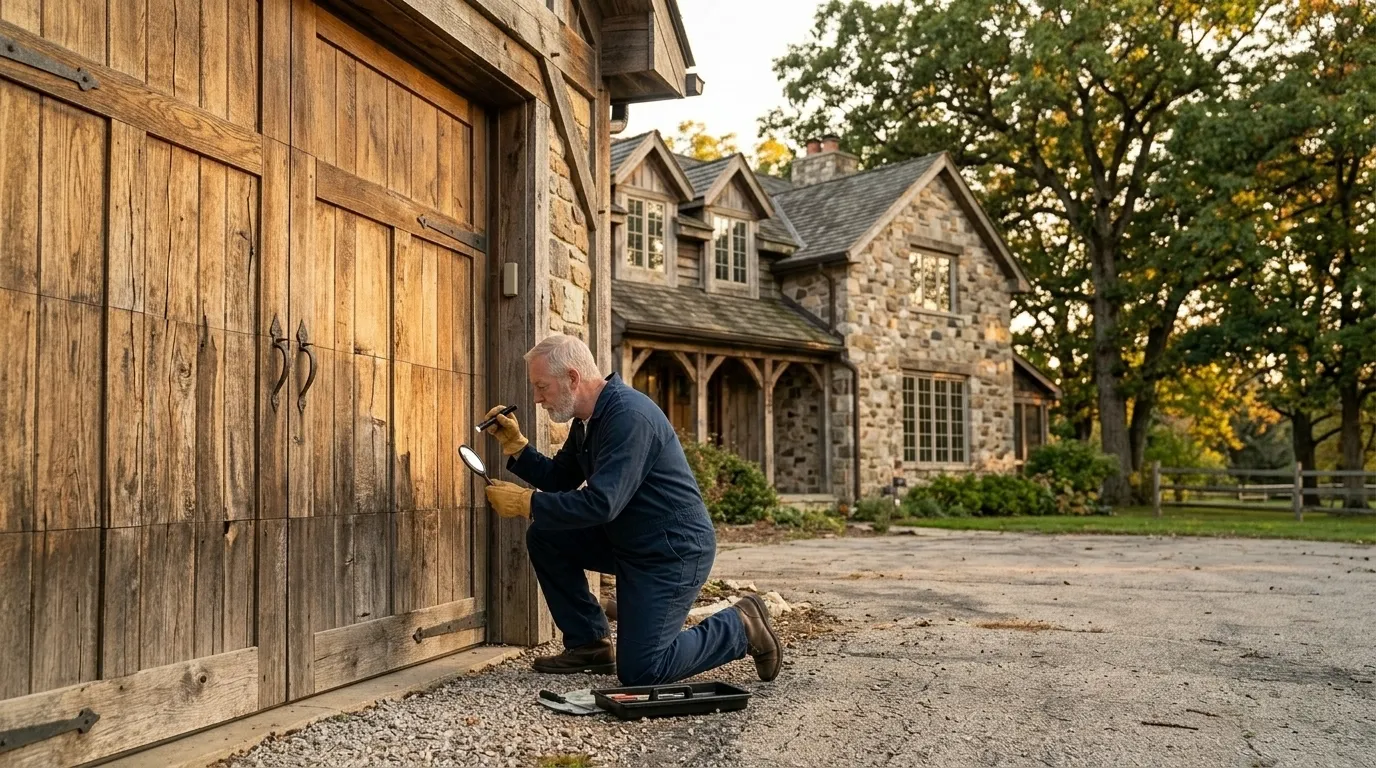
The other mistake is waiting for a visible problem - ice on the inside of the door, or a seal you can see daylight through - before doing anything. On housing this age, in a climate this cold, the seal has usually been failing quietly for a couple of winters before it's obvious. Checking it in the fall, before the first freeze, catches it while it's still the cheap fix instead of the expensive one.
How We Can Help
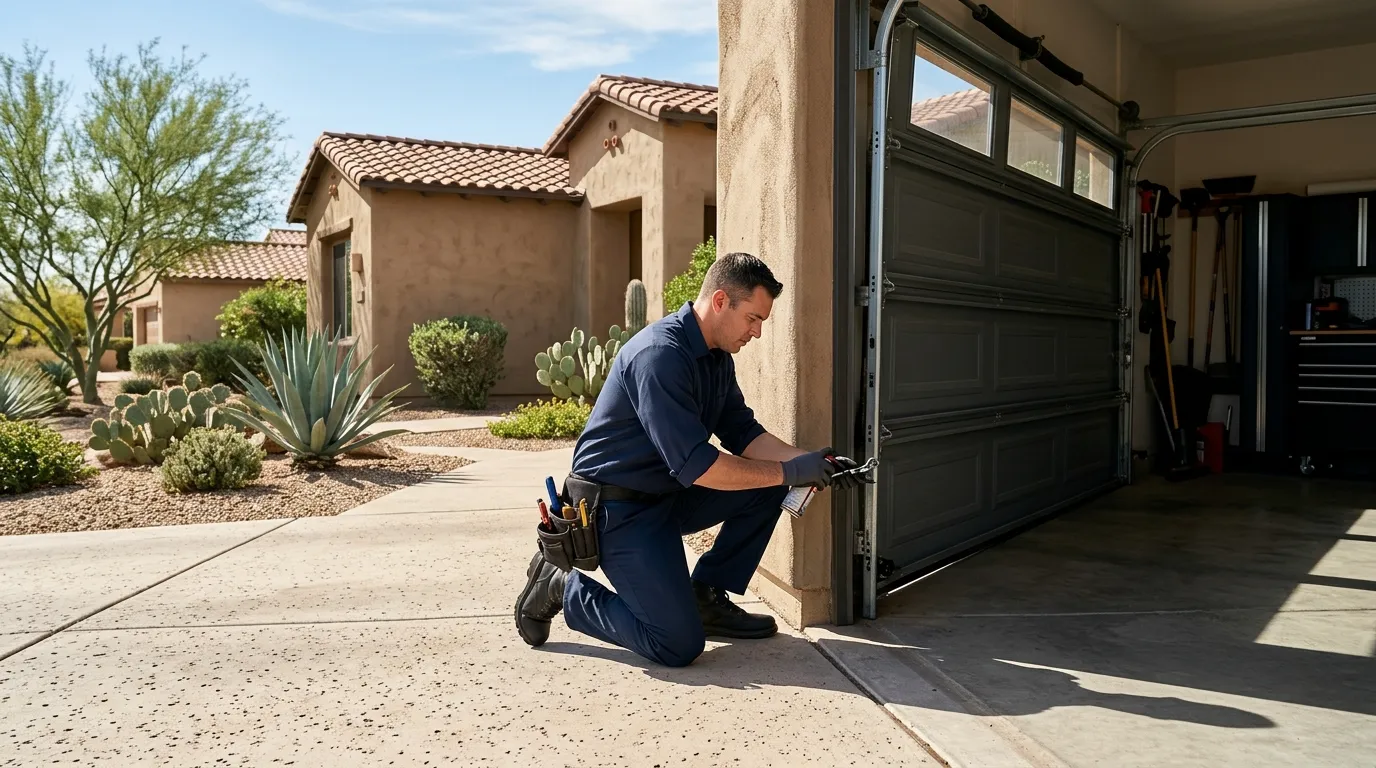
Garage Door Repair
Springs, cables, tracks, rollers, and openers fixed by a tech who explains the problem before touching anything.
Learn more →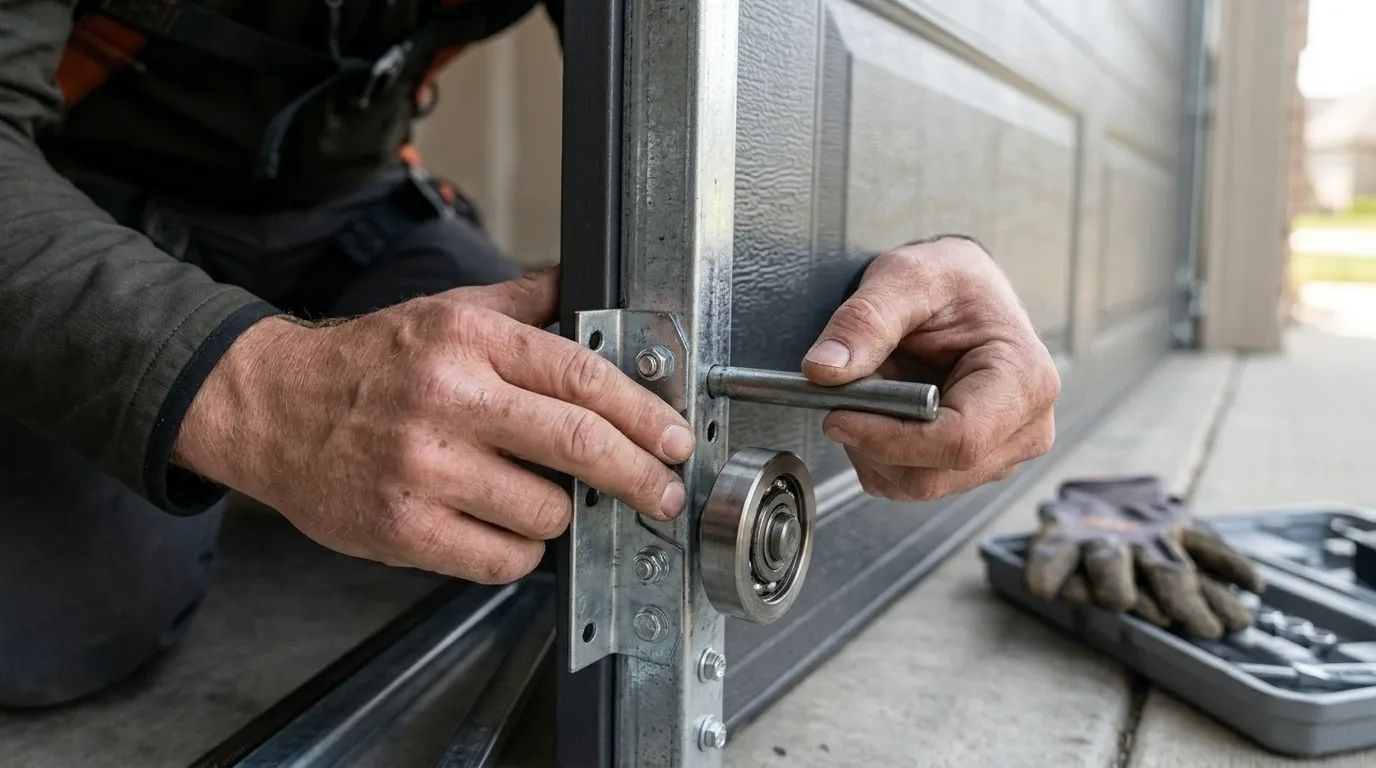
Garage Door Installation
New sectional doors sized and installed for the housing stock actually built in this area.
Learn more →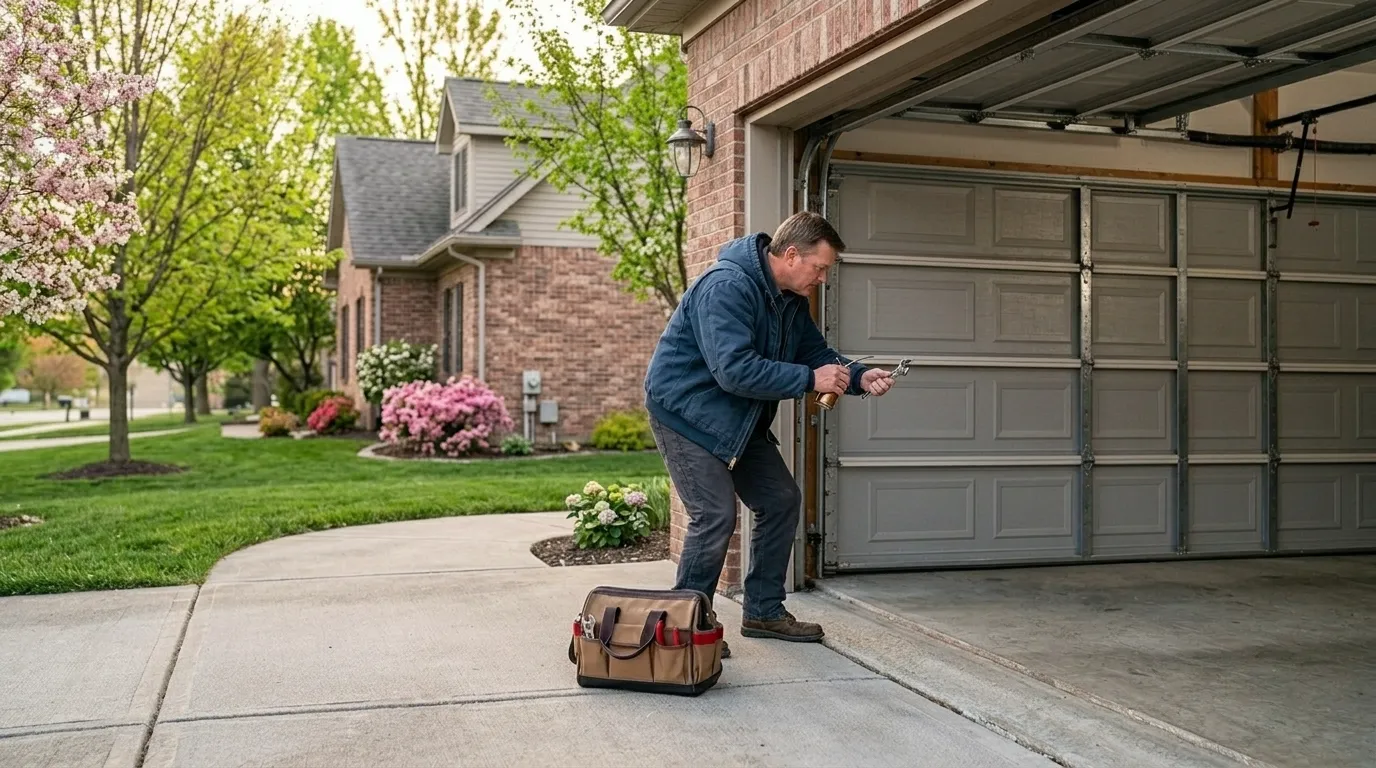
Garage Door Service
Tune-ups, lubrication, and safety checks that catch a small problem before it becomes a service call.
Learn more →Frequently Asked Questions
Why does my garage door let in cold air even though it looks fine?
On a house built in the 1938-1984 range that's common around Clawson, the bottom seal and side weatherstripping degrade well before they look obviously worn. Cold-severe winters harden rubber and shrink wood jambs a little more each year, so air gets through gaps you can't see from a normal glance at the door.
Will new weatherstripping fix the draught for good?
Often yes, and it's the cheapest thing to try first. But on older houses where the jamb itself has shifted over decades of freeze-thaw, a new seal can still leave a gap on one side. If a fresh seal doesn't close the draught, the frame - not the rubber - is the next thing to check.
When should I check my seals each year?
Fall, before the first hard freeze. Seals that are already cracked or compressed will fail faster once cold-severe winter temperatures set in, and a check in October catches problems while replacement is still a small job.
Have a Door That Needs a Second Opinion?
Call and describe what it is doing - we will tell you what it likely is.