
Clawson Garage Door Guide
What Actually Breaks on a Clawson Garage Door, and Why
Clawson homes mostly date to 1938-1984, and cold-severe winters work hard on doors that old. Here's what actually breaks and when it's worth fixing.
- Licensed & Insured
- Same-Area Service Calls
- Upfront Pricing
What Is Going On
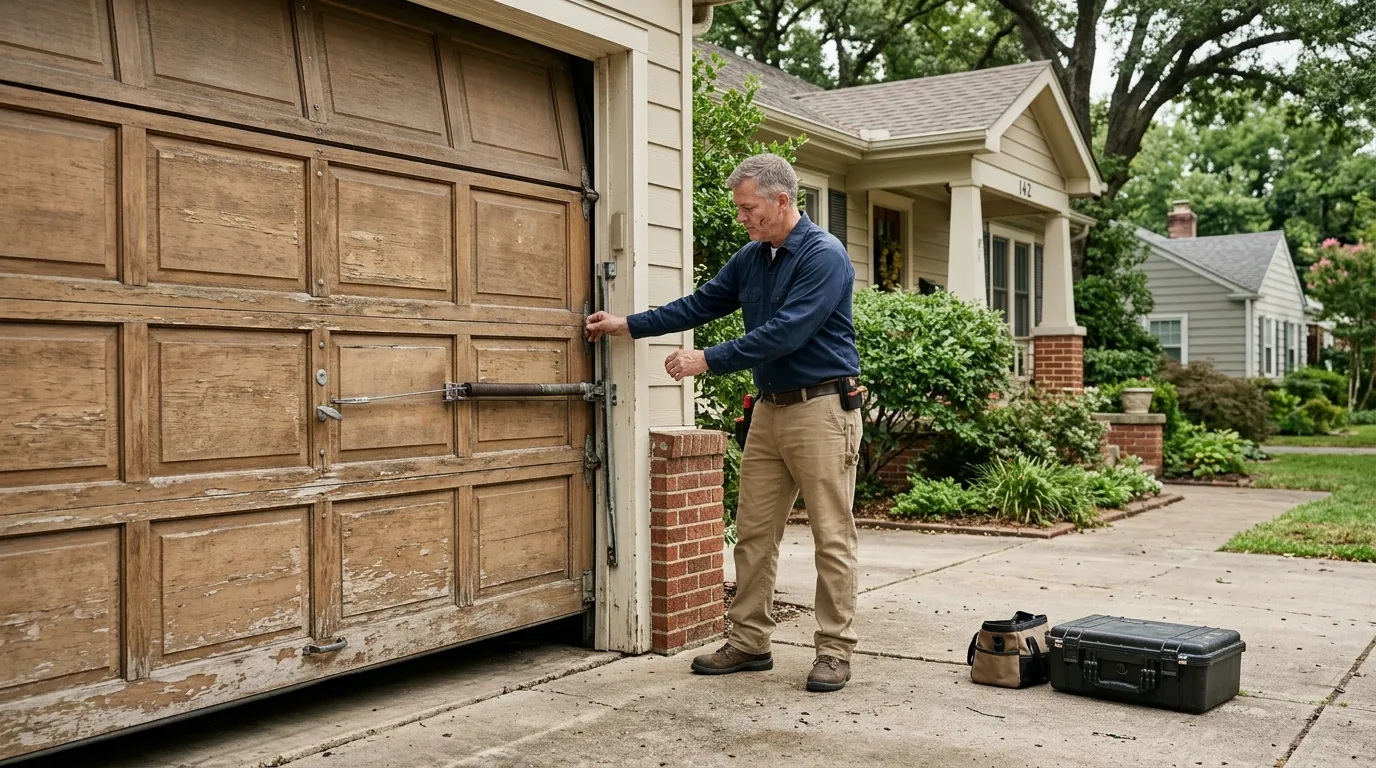
Clawson's housing stock runs 1938 to 1984, with the median build year sitting around 1958. That matters more than most homeowners realize, because a door installed on a house from that era usually got a hardware upgrade or two along the way, and not always a good one. We see a lot of doors where the original track was never resized when a heavier insulated panel replaced the light steel or wood original, so the rollers wear a groove into the track edge and the opener strains against a door it was never sized for.
Across the wider service area there are 35,443 owner-occupied houses, most built in that same postwar stretch, which means the failure patterns repeat block to block instead of varying house to house. If a torsion spring lets go on one street because it's original to a 1958 build, the identical spring on the identical door three streets over is on borrowed time too. That repetition is actually useful - it means we're rarely guessing at what's inside a wall or header when we quote a job here.
Season by Season
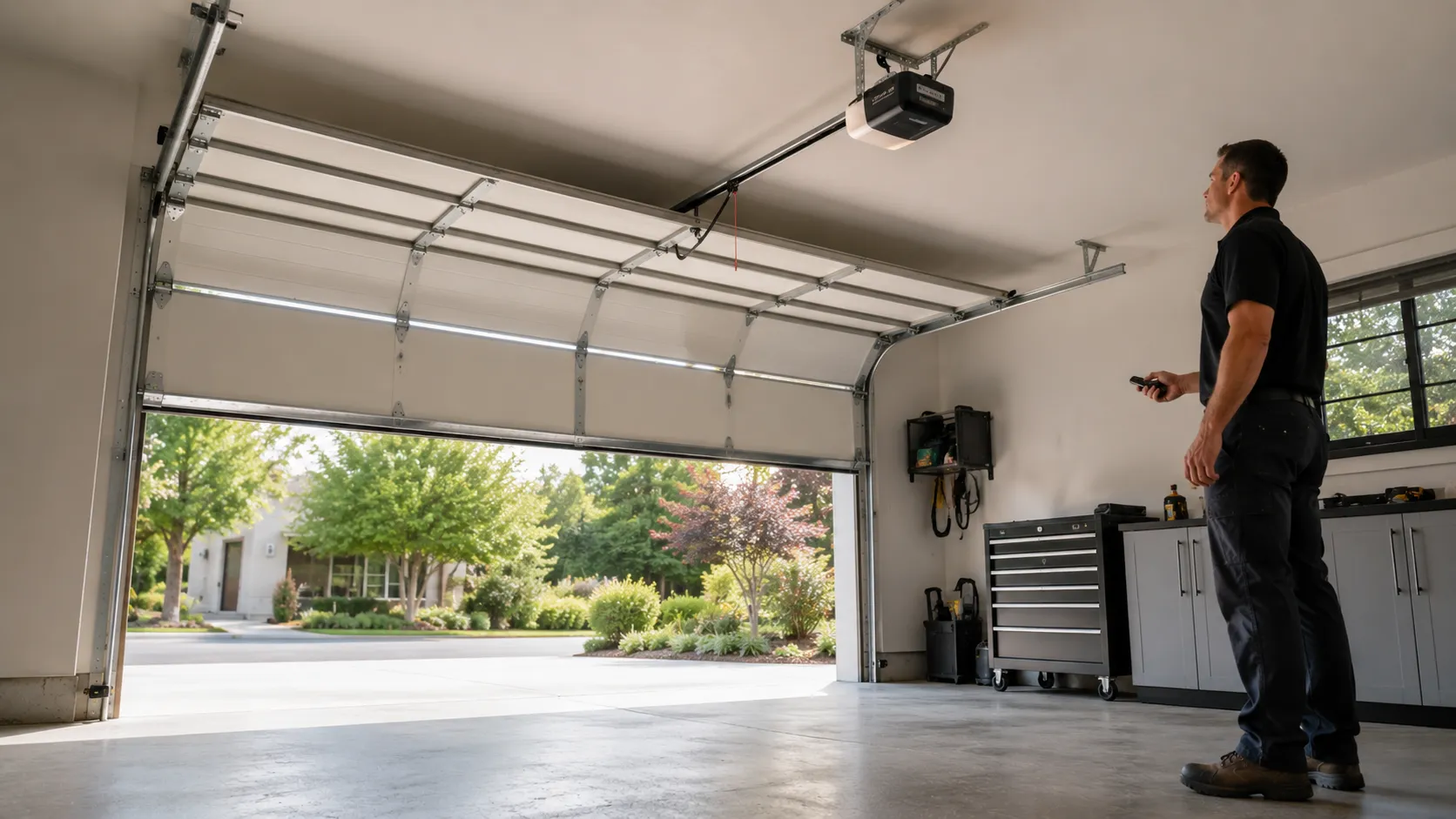
Spring is when the winter damage shows up. A door that's been dragging on a bent track or straining an opener all winter finally stops closing all the way, or it reverses itself off the floor. That's usually the first real sign something in the system loosened or cracked, not a sudden failure.
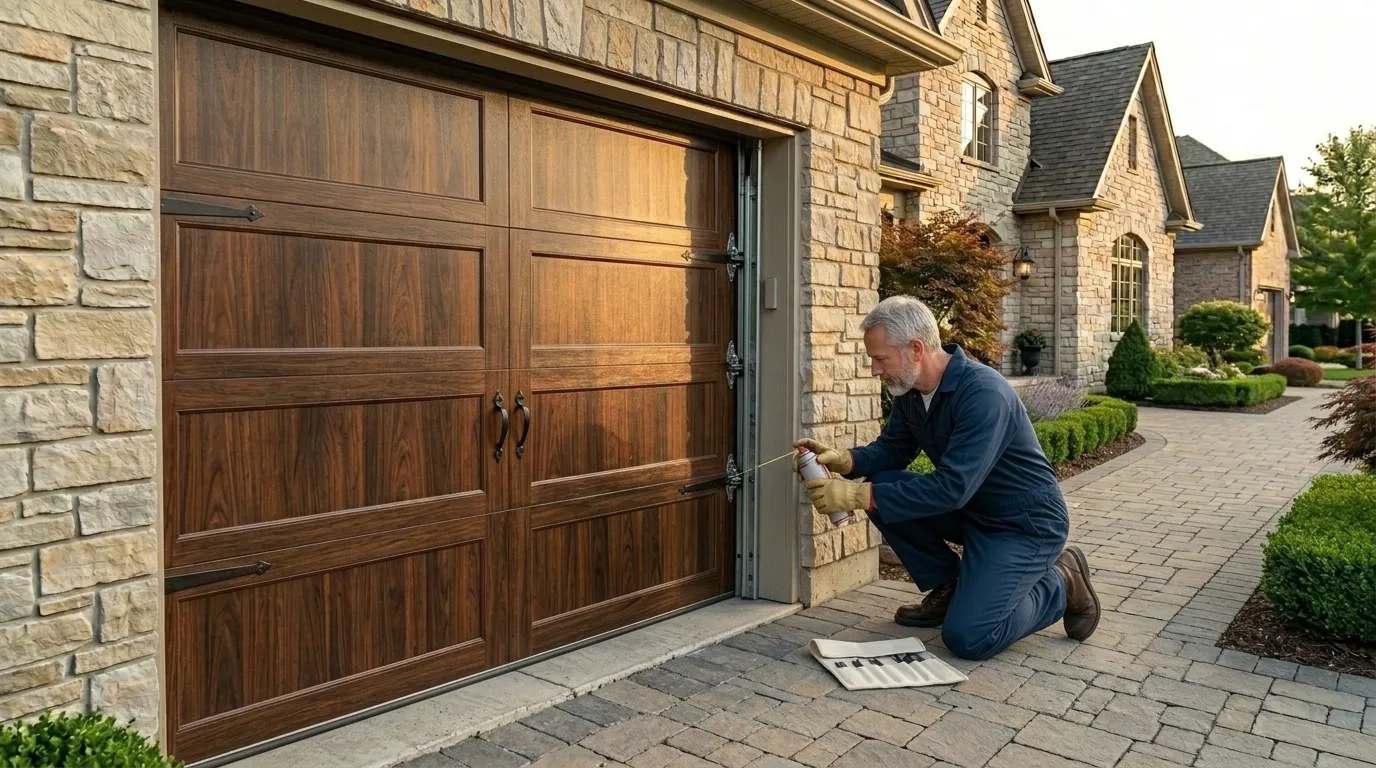
Summer is light on garage door calls here, mostly maintenance items - a roller that's finally worn through its bearing, a cable starting to fray, hinges that need oil after a cold season of tightening and loosening. If you're going to schedule a tune-up, this is the slow window.
Fall is prep time, and it's worth doing something before the cold sets in rather than after, since cold-severe conditions make every existing weak point worse, not better.
Winter is when things actually break: springs snap in the cold, openers strain against stiff grease, and cables that were fraying since summer finally give. None of that is dramatic weather - it's just the cumulative effect of a cold-severe climate on hardware that, in a lot of these houses, has been in place since long before anyone thought to replace it.
What the Weather Here Does to It
This area sits in a cold-severe climate band, and that has specific, unglamorous effects on a garage door system rather than one big dramatic one. Steel torsion springs lose a measurable amount of tension as temperature drops, so a spring that was marginal in October can be the thing that snaps in January under the same load it handled fine all summer. Extension springs behave a little differently but age the same way - the cold doesn't create the fatigue, it just exposes fatigue that was already there.
Grease and lubricant thicken in the cold too, which means an opener motor works harder to move the same door, and that extra strain shows up first in the gear on a chain-drive unit or the belt on a belt-drive. On the houses built in the 1938-1984 window that make up most of this area, a lot of that original hardware was never rated for the load an insulated replacement panel adds, so cold weather is often the thing that finally reveals an undersized spring or an opener that's been overworking for years.
We don't get called out for storm damage the way a coastal town would - this is a cold-fatigue problem, not a wind problem, and the fix is almost always mechanical, not cosmetic.
Where People Go Wrong
The most common mistake we see is patching a spring or cable on a door that's original to a 1938-1984 build instead of asking whether the whole system is worth the money. A new cable on a track that's already bent from decades of misalignment just moves the next failure a few months down the road.
The other mistake runs the opposite direction: replacing an entire door and opener when the actual problem is one worn roller or a cable that frayed at a single pulley. With a median household income of $99,286 in this area, most owners here can afford to do the job right the first time rather than defer it - but doing it right sometimes means a $40 part, not a new door.
Here's the honest limit: if the wood jamb around an original 1950s-era door frame has rotted, or the track hardware is discontinued and bent beyond adjustment, we'll tell you replacement is cheaper and safer than chasing repairs on it. We don't stock parts for every original opener still running in this area, and pretending otherwise just costs you a second visit.
How We Can Help
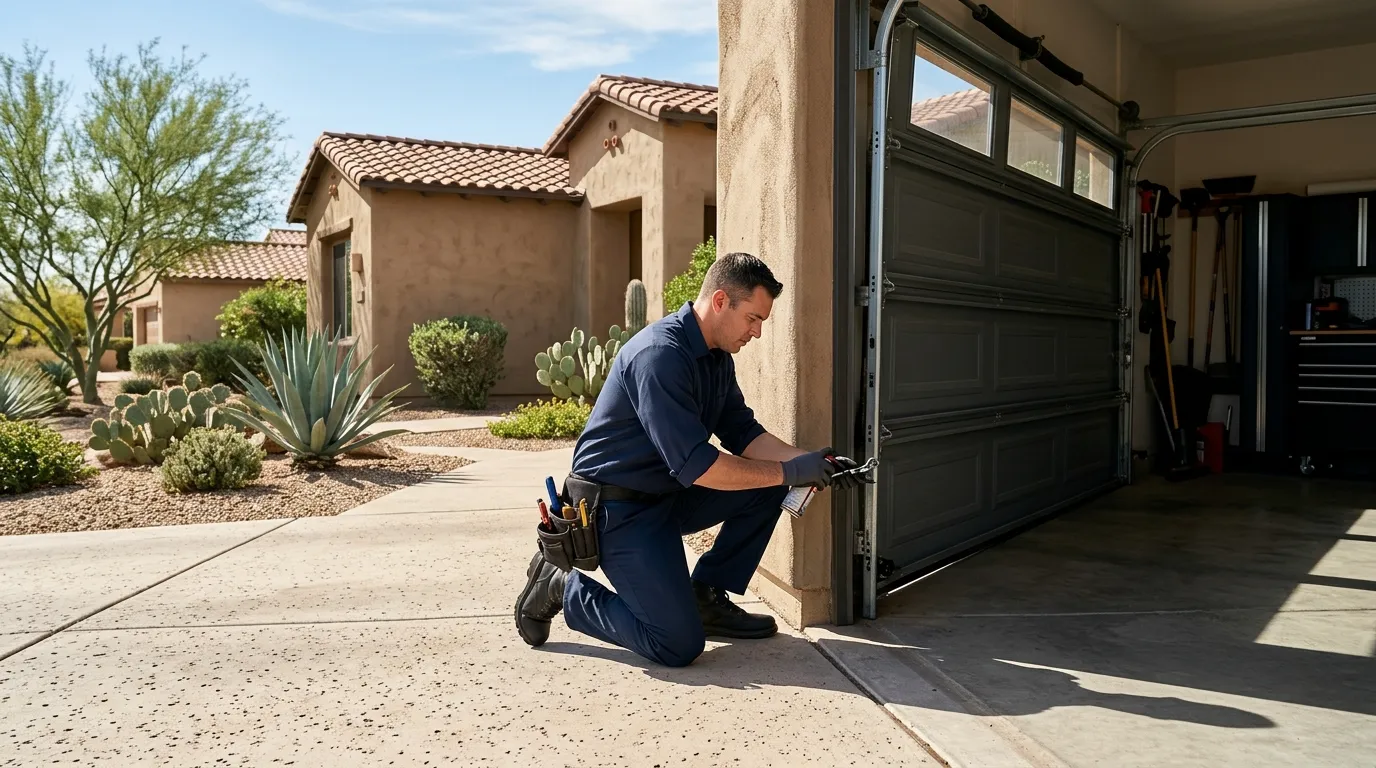
Garage Door Repair
Springs, cables, tracks, rollers, and openers fixed by a tech who explains the problem before touching anything.
Learn more →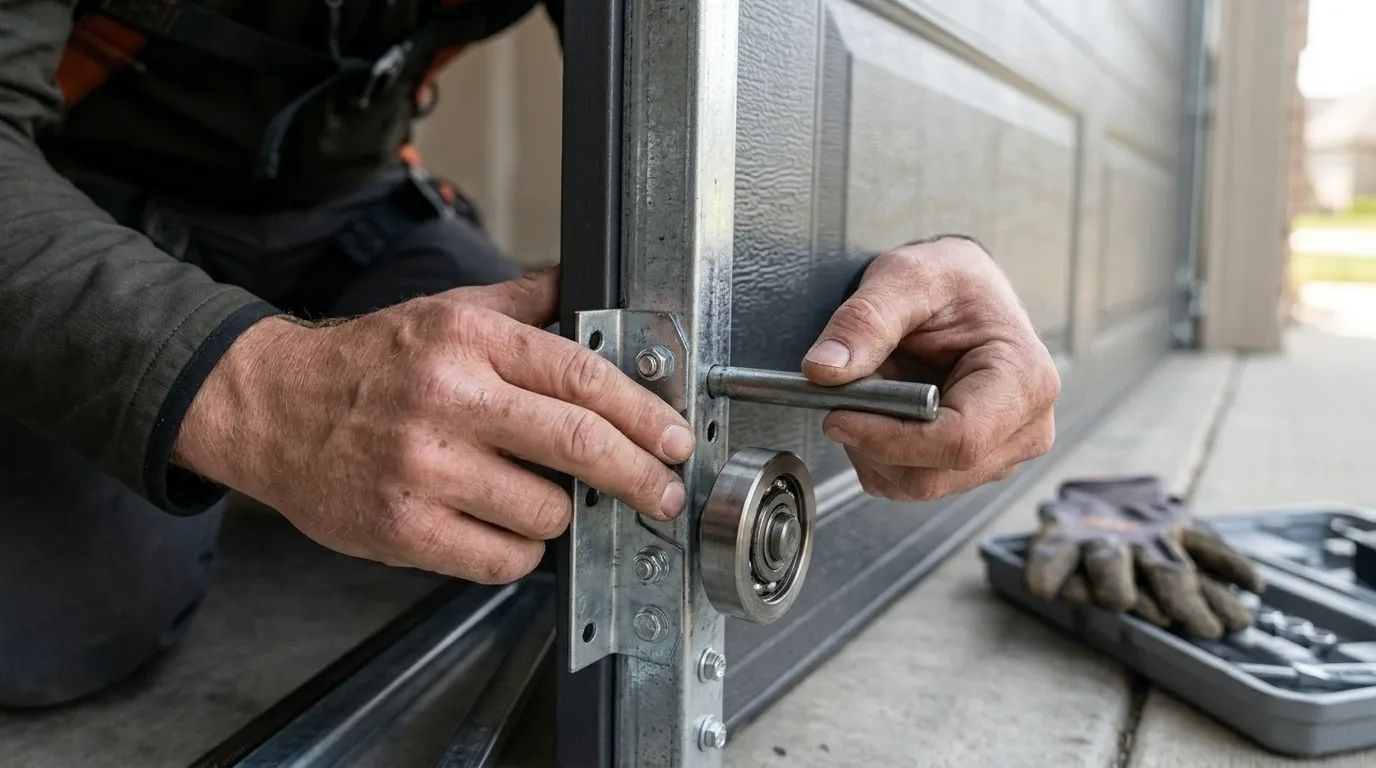
Garage Door Installation
New sectional doors sized and installed for the housing stock actually built in this area.
Learn more →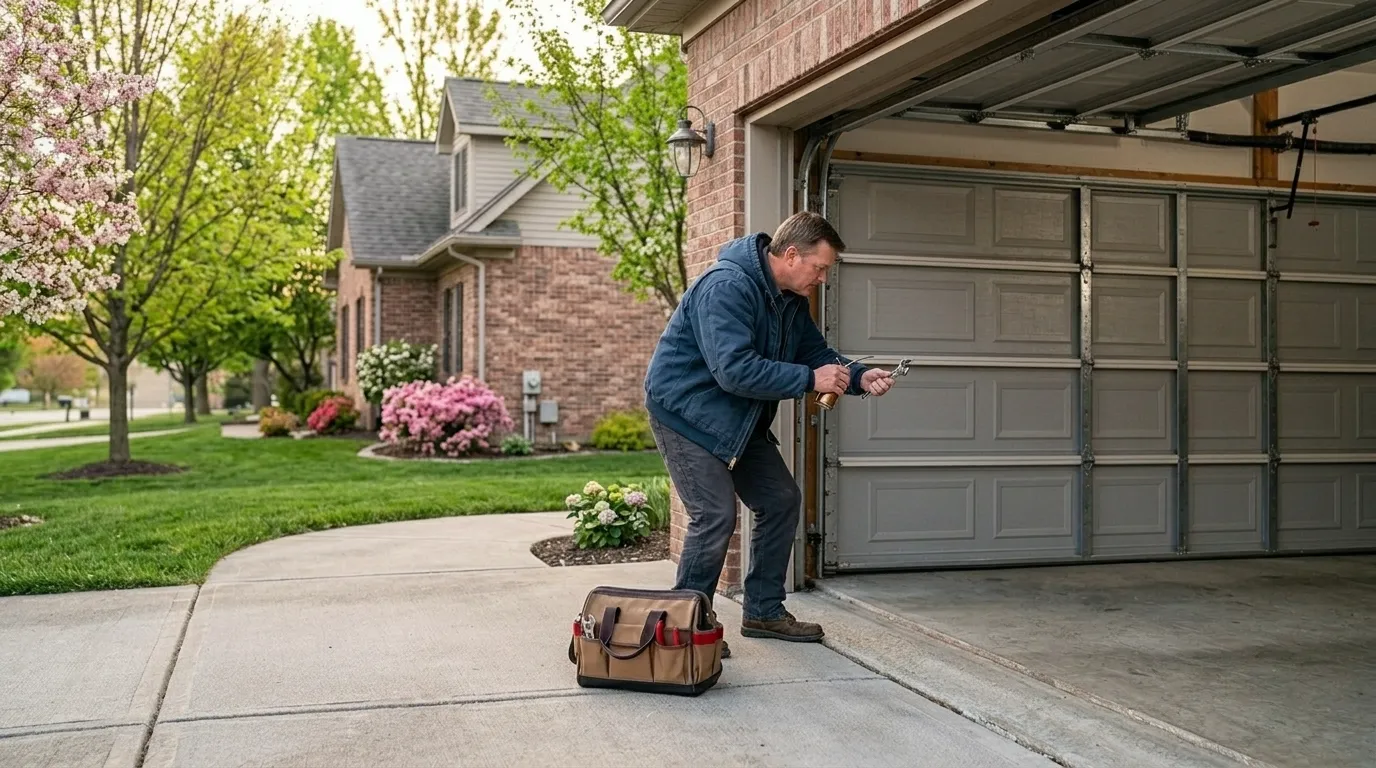
Garage Door Service
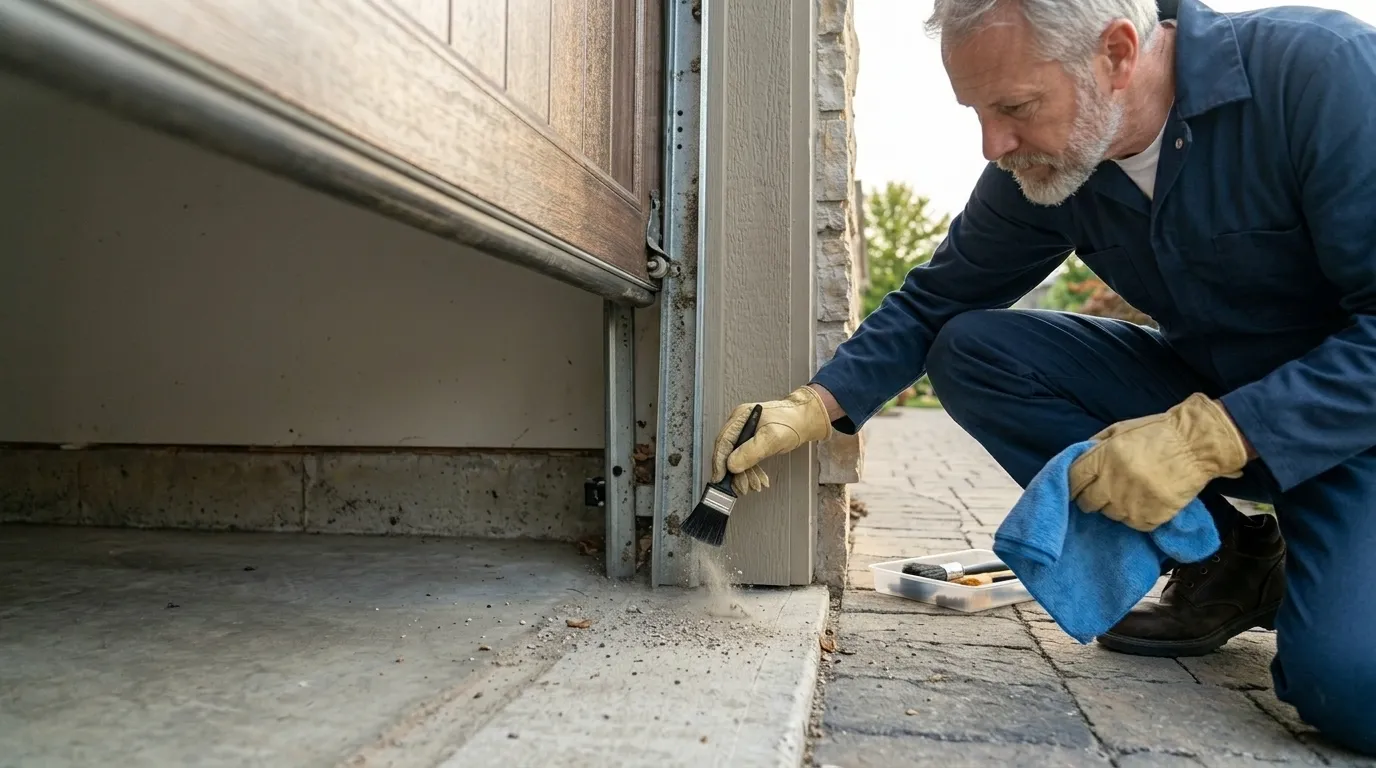
Tune-ups, lubrication, and safety checks that catch a small problem before it becomes a service call.
Learn more →Frequently Asked Questions
My garage door opener is original to the house - is it worth fixing or should I replace the whole thing?
Depends what's actually wrong. If it's a worn gear or a chain that's stretched, that's a repair. If the motor windings are going or the circuit board is failing on an opener that old, parts get hard to source and replacement usually costs less than chasing it. We'll tell you which one you're dealing with before we quote anything.
Why did my spring snap in the middle of winter with no warning?
Cold makes steel lose tension, and a spring that was already fatigued from years of cycling will usually let go once temperatures drop hard. It's rarely sudden damage - it's the cold exposing wear that was already there. That's common on the older torsion springs still in place on houses from this area's original 1938-1984 building era.
Is it normal for my track to be slightly bent?
On a house this age, some track misalignment is common, especially if a heavier insulated door ever replaced a lighter original panel without the track being resized. A slight bend can usually be adjusted. A track that's kinked or rusted through is a different story and needs replacing, not straightening.
How often should I be doing maintenance on an older door?
Once a year, ideally before winter, is enough for most of the doors we see here. Cold-severe winters are hard on lubricant, cables, and spring tension, so a fall check catches the things that would otherwise fail in January instead of showing up as a slow annoyance in spring.
Have a Door That Needs a Second Opinion?
Call and describe what it is doing - we will tell you what it likely is.