
Clawson Garage Door Guide
What Actually Happens During a Clawson Service Call
Clawson houses built between 1938 and 1984 wear differently under cold winters - see exactly what a garage door service call inspects, tests, and repairs here.
- Licensed & Insured
- Same-Area Service Calls
- Upfront Pricing
What Is Going On
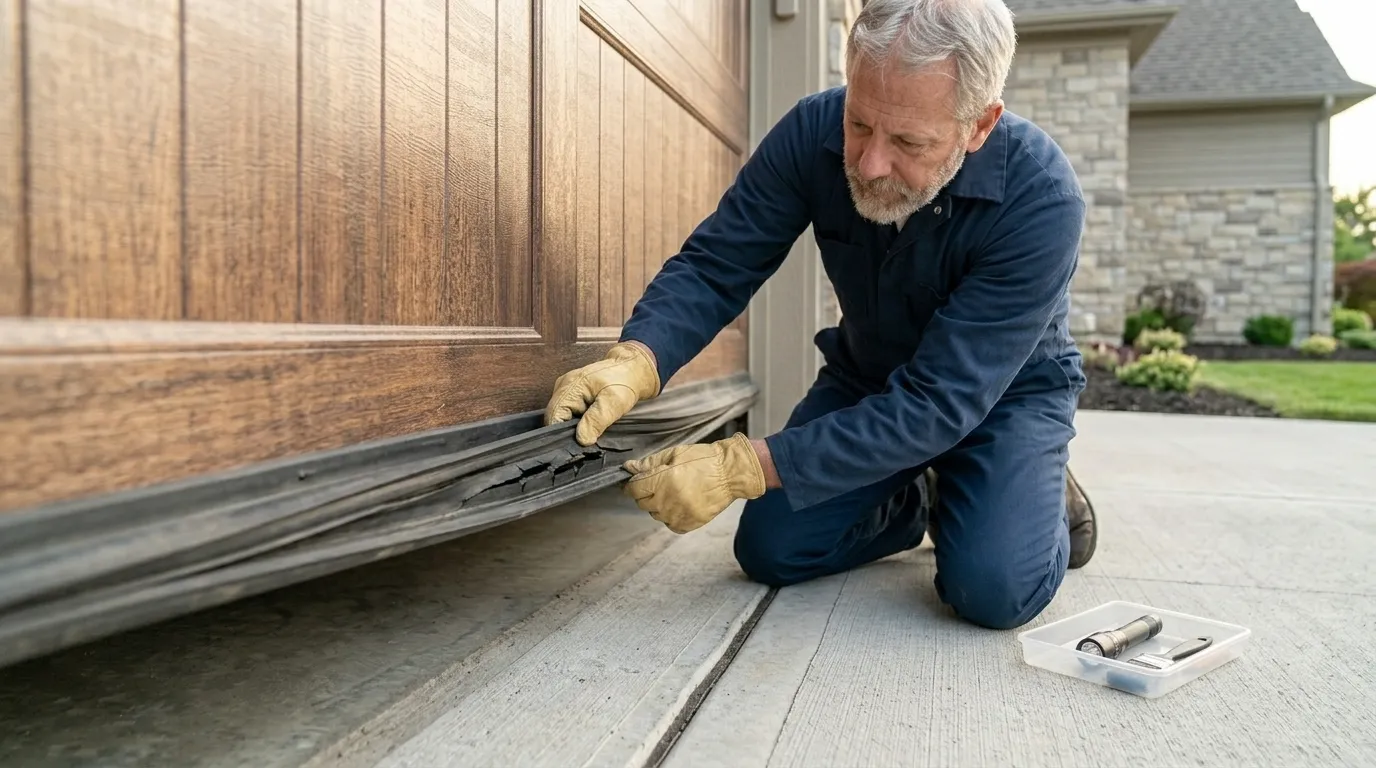
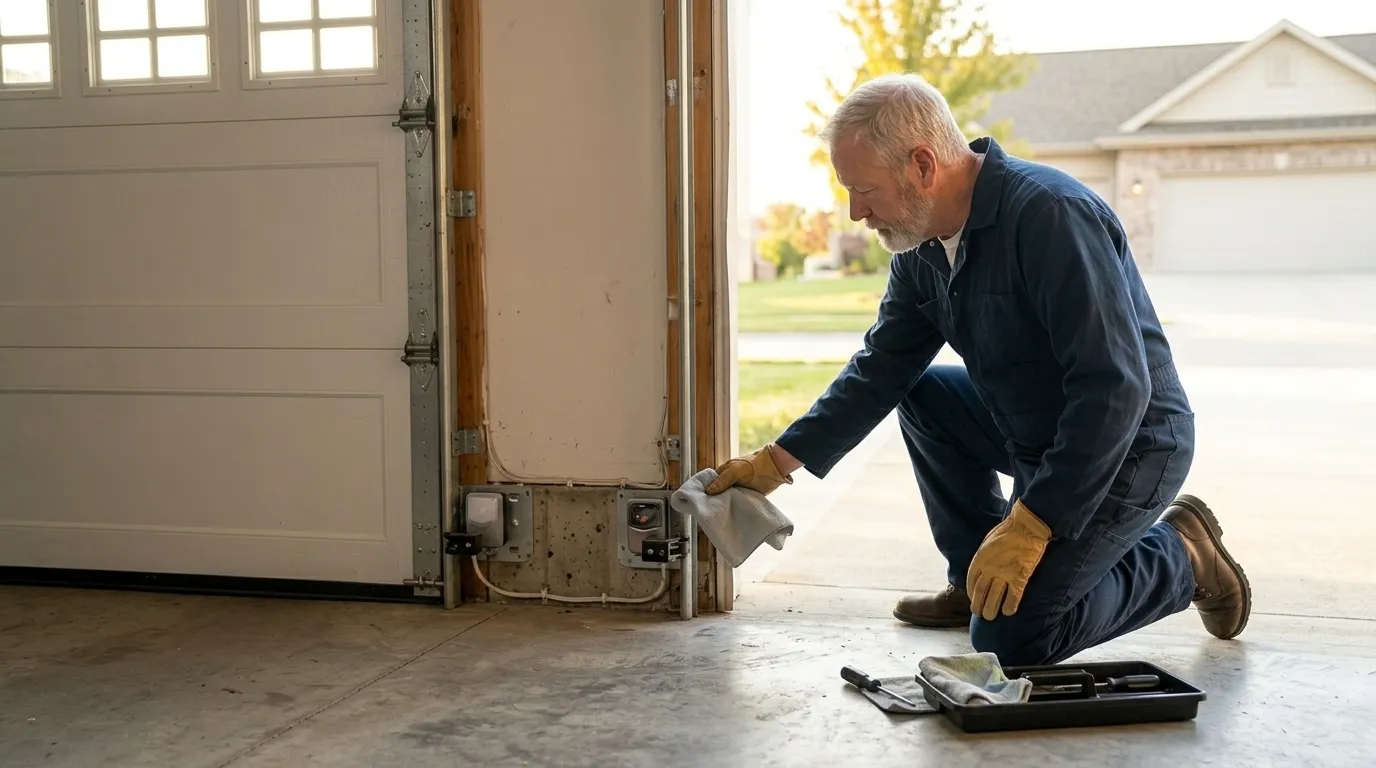
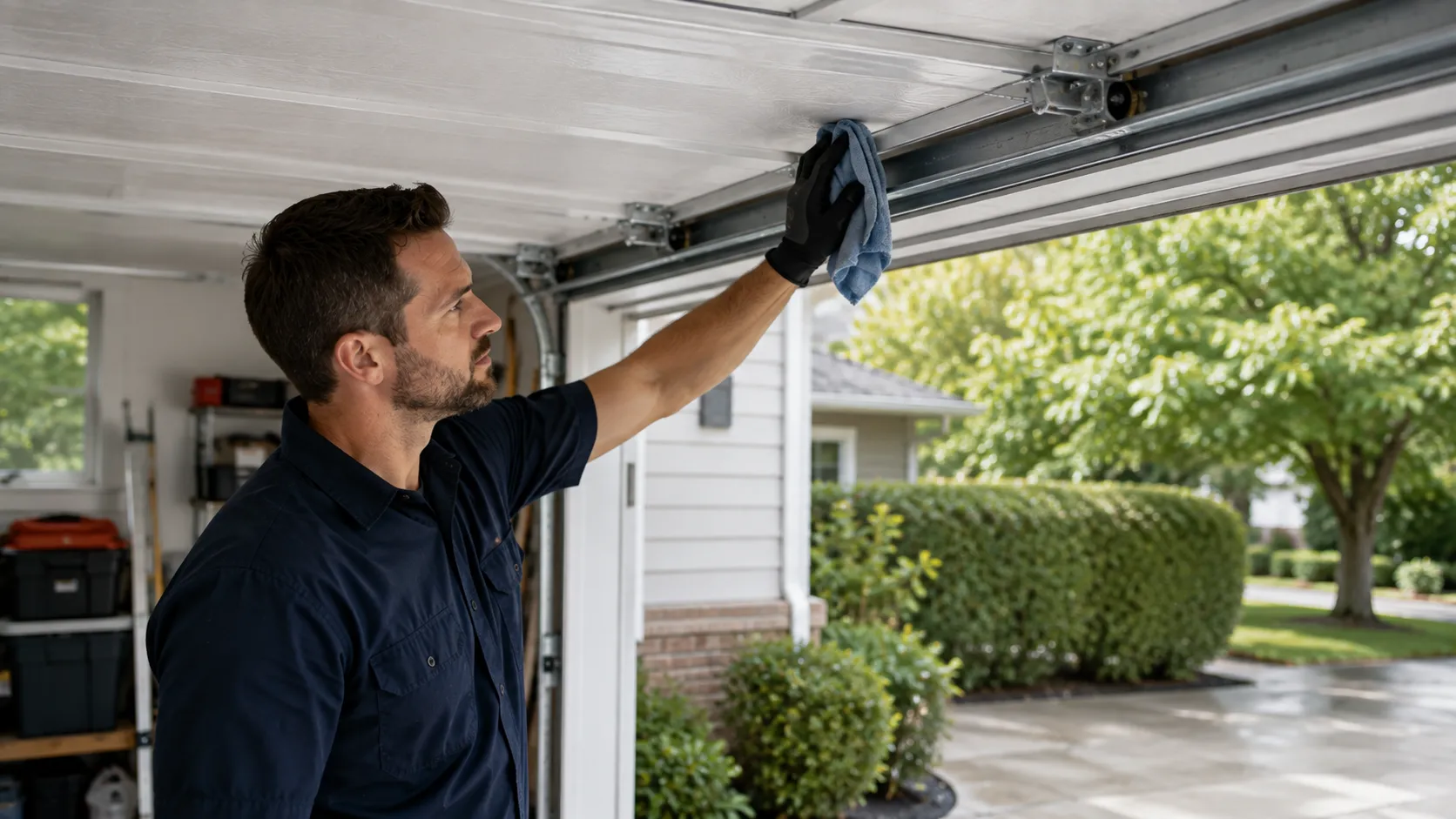
When we say "service call," we mean a specific list, not a vague once-over. On a Clawson job we start with the spring - checking wind tension, looking for rust pitting or a flat spot that tells us it's about to go - then move to the tracks, checking for the kind of gap or bend that shows up after a decade of temperature swings. We test the opener's force settings, check the cables for fraying at the drum, and check every roller for the flat side that comes from years sitting still in cold weather.
Most houses in Clawson went up between 1938 and 1984, with the median landing around 1958, so a lot of what we open up is original hardware from the Eisenhower years, or a replacement door hung on that original hardware because nobody swapped the track and jamb when they upgraded the panel. That mismatch is one of the most common things we find: a newer door bolted to old brackets that were never rated for it. A real service call checks the whole system, not just the part that's making noise, because in a house this age the noisy part is rarely the only part that's tired.
Season by Season
" Steel contracts as temperatures drop, and a torsion spring that was fine at 70 degrees can bind or lose lift at 20. Winter is when things actually break - a cable that's been fraying quietly since summer finally lets go on the coldest morning, usually right when the door is loaded with a car half in the driveway. Spring calls are about the door that never quite recovered from winter: an opener that grinds gears trying to lift a door that's out of balance, or a track that shifted slightly from ground heave and never got straightened.
Summer is the quiet season for us - the one time of year Clawson's cold-severe climate isn't actively working against the hardware - so it's the best window for the maintenance visits that prevent the winter calls. If you only call once a year, late summer is the right time, not January, because by January we're often replacing a part instead of adjusting one.
What the Weather Here Does to It
Clawson sits in a cold-severe climate band, and that matters more for a garage door than most owners think. Steel springs lose a measurable amount of flexibility as they get cold, which means the same spring that lifted a door easily in July can feel underpowered - or snap outright - in January. Lubricant thickens in unheated garages, which is why rollers and hinges that were quiet all summer start squealing the first hard freeze.
Openers work harder too: the gears inside a chain-drive unit see more resistance from cold grease, and that extra load is what burns out a motor years before its time. Concrete slabs also shift slightly with frost, and on houses from the 1938-1984 era, that slab movement has had decades to nudge the track out of true, even a little. None of this is dramatic on its own.
It's cumulative - a system built for a milder swing, run through fifty-plus winters of a harsher one, wearing down faster at every joint than the same hardware would in a warmer state.
Where People Go Wrong
The most common mistake we see is spraying WD-40 on a noisy roller and calling it fixed. It quiets the noise for a week and does nothing for the metal fatigue underneath, so the same call comes back louder in a month. The second mistake is waiting on a fraying cable because the door still opens - a cable doesn't fail gradually, it fails all at once, usually with the door up and something under it.
We'll also say plainly what we don't do: we don't recommend replacing a spring on a door that's structurally failing at the panels, because in an older Clawson house that's often a sign the whole door has outlived its hinges and track, not just the spring. In that case a repair is money spent to delay a replacement that's coming anyway, and we'll tell you that instead of billing you twice. If a technician tells you a full replacement makes more sense than another patch on hardware from the 1950s or 60s, that's not an upsell - it's usually the honest math.
How We Can Help
Garage Door Repair
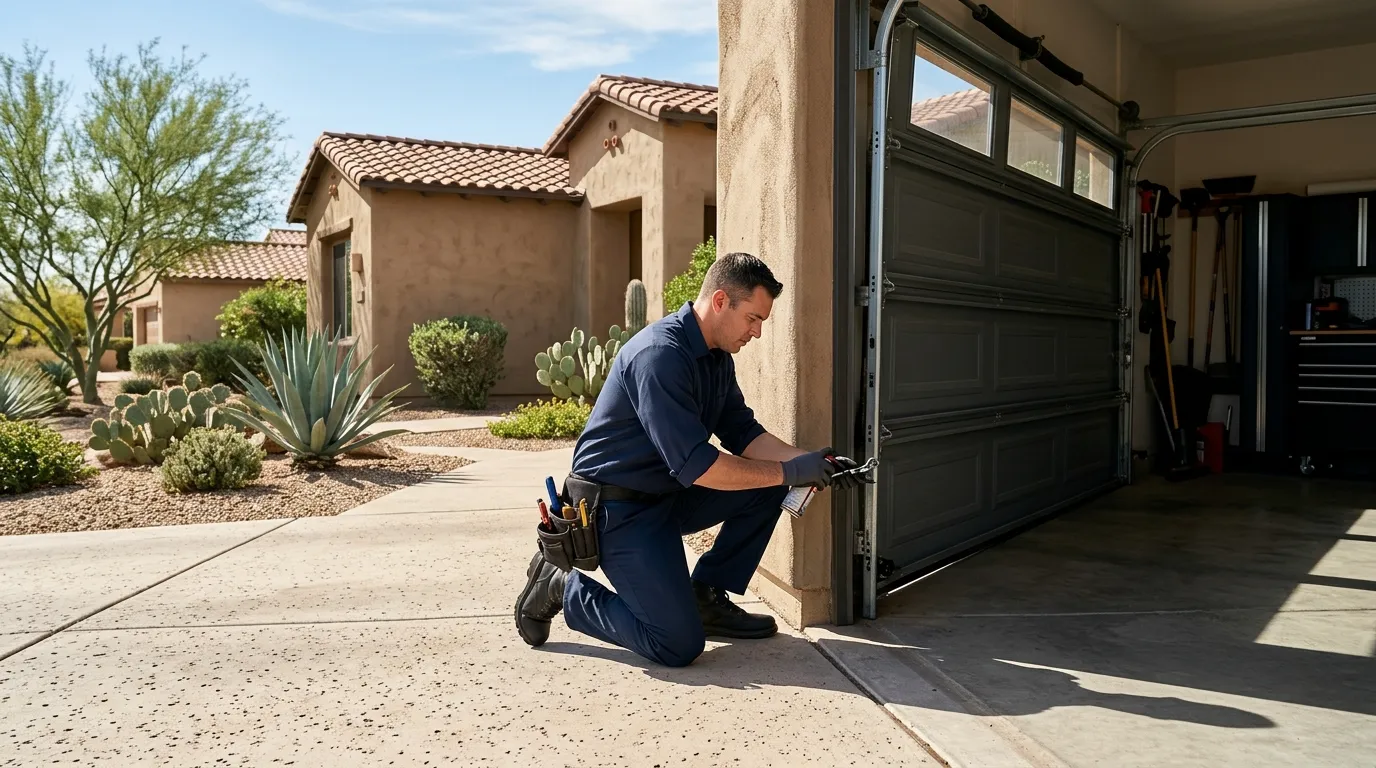
Springs, cables, tracks, rollers, and openers fixed by a tech who explains the problem before touching anything.
Learn more →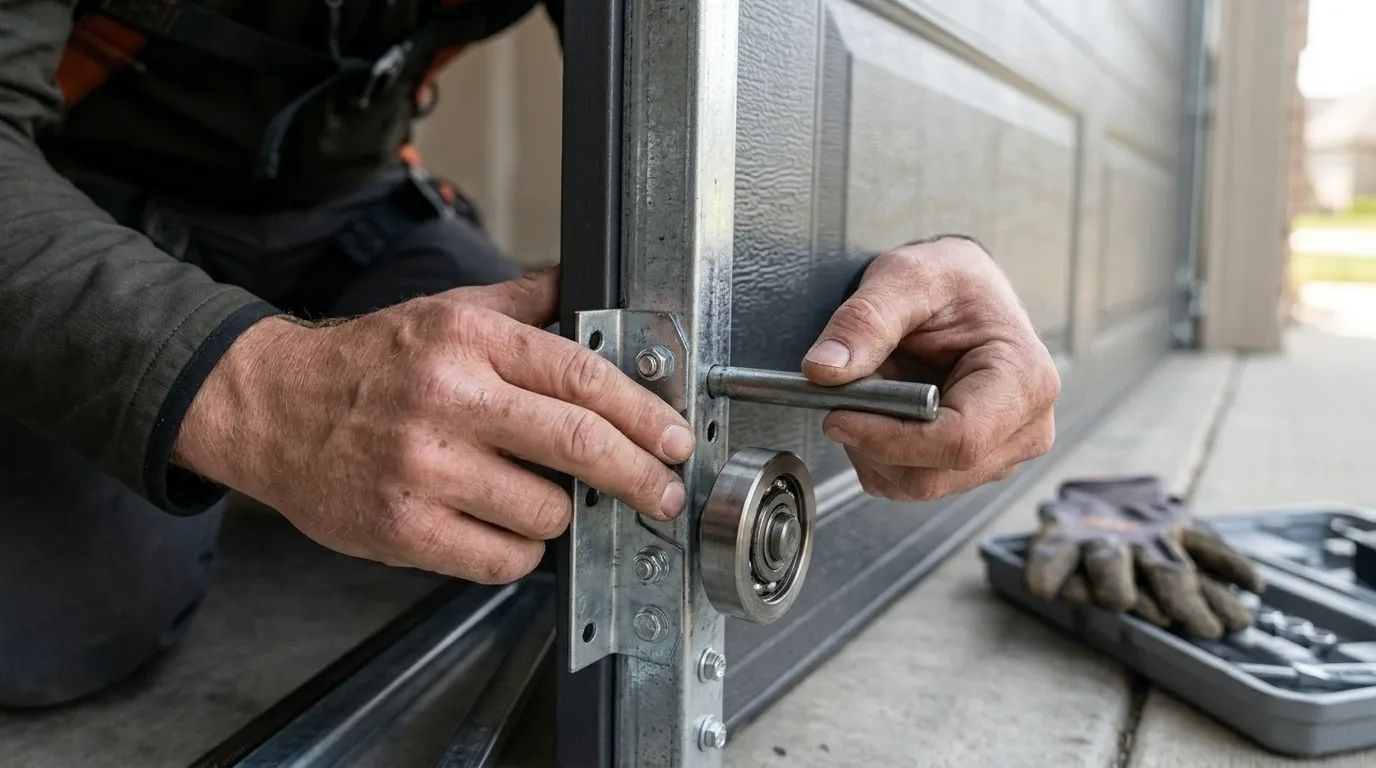
Garage Door Installation
New sectional doors sized and installed for the housing stock actually built in this area.
Learn more →
Garage Door Service
Tune-ups, lubrication, and safety checks that catch a small problem before it becomes a service call.
Learn more →Frequently Asked Questions
How old is the garage door hardware in most Clawson homes?
Housing in this service area was mostly built between 1938 and 1984, with a median year around 1958, so it's common to find original torsion hardware, tracks, or brackets from that era still in place, sometimes under a door that's been replaced once or twice since.
Why do garage door springs break more in winter here?
Clawson sits in a cold-severe climate band. Steel springs lose flexibility as temperatures drop, so a spring already worn thin from age is far more likely to snap on a cold morning than during a mild afternoon.
Is it worth repairing an old door or replacing it?
Depends what's failing. If it's a spring, cable, or opener on a door with sound panels and track, a repair makes sense. If the panels or track are failing too, especially on hardware from the 1950s-60s, replacement usually costs less over time than repeated patches.
What does a standard service call actually check?
Spring tension and condition, cable wear at the drum, track alignment, roller condition, hinge wear, and opener force settings and gear condition. We check the whole lift system, not just whatever part is currently making noise.
Have a Door That Needs a Second Opinion?
Call and describe what it is doing - we will tell you what it likely is.